Casino Etiquette Chat: What to Say, When to Say It, and What to Skip
Walking into a busy Sydney club floor or logging into a live table, the first thing you notice is how much silence matters. Good casino etiquette chat is less about clever one-liners and more about reading the room, whether that room has felt tables and a cage or a screen and a chat window. The unwritten rules around tipping, pacing, and how you speak to staff or other players shape the whole session, and they matter just as much as the odds on the felt.
Reading the room before you speak
The first mistake people make is treating every table or live dealer stream as if it runs on the same social clock. A busy Sydney CBD club floor operates on a different rhythm to a quiet regional venue, and the chat etiquette changes with it. On a packed evening, dealers and floor staff are moving fast, and a quick, polite acknowledgement goes further than a long conversation. If you are settling in for a session, a short greeting and a clear hand signal or typed message in a live chat tells everyone you understand the pace.
There is a practical reason for this. Casino ID checks can be triggered at entry, at the cage, or on large payouts, so keeping your interactions calm and straightforward actually helps the whole process run smoother. When staff are not working through a crowded room, they can focus on the transaction in front of them, and you are less likely to feel rushed or interrogated. A measured tone in chat or at the table is not about being stiff; it is about making the environment work for everyone in it.
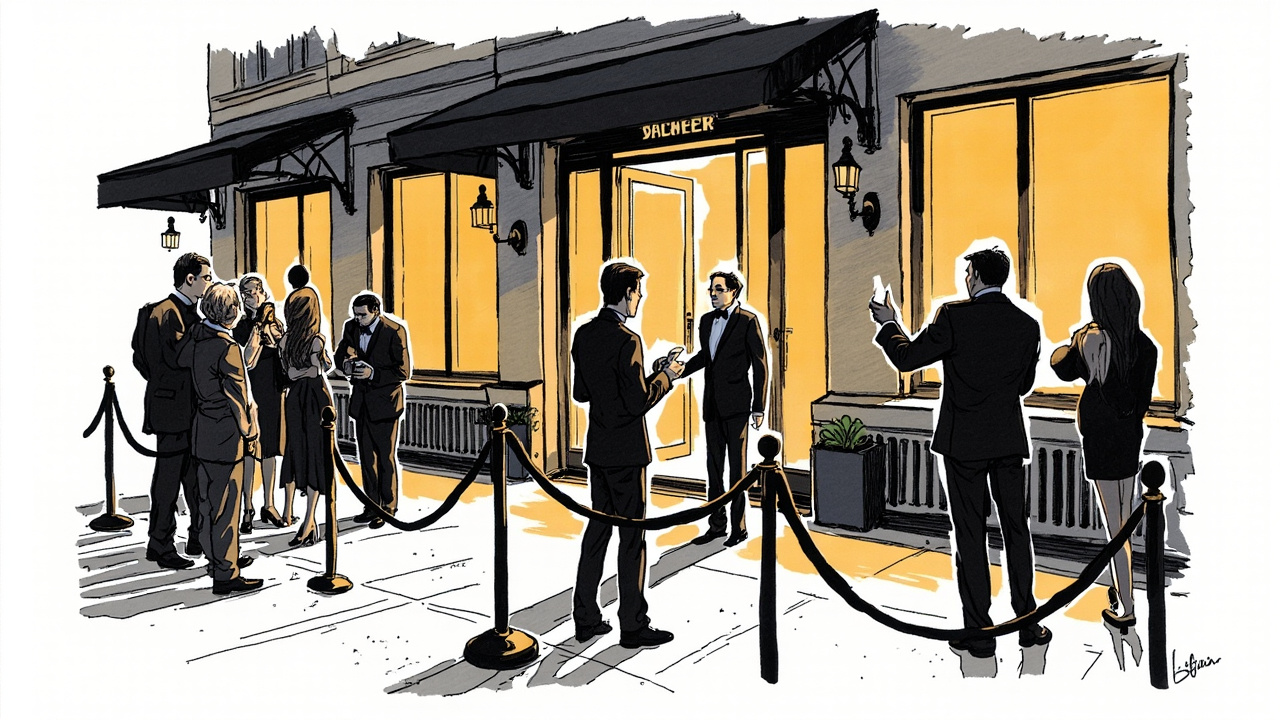
I have seen startup teams treat community chat like a free-for-all, then scramble when moderation and privacy obligations catch up with them. The same pattern shows up on wagering floors. A chat channel that feels friendly can still carry compliance weight, especially where age gates, responsible gaming prompts, and record-keeping sit behind the scenes. What reads as casual banter to one player may be a compliance touchpoint to the operator, and that gap is exactly where etiquette matters.
How to handle the live chat without overdoing it
Live dealer tables and streamed games add a new layer, because the chat box becomes part of the game environment rather than a side conversation. The best approach is to treat it like a shared space, not a private group chat. Short, relevant messages work best: a quick thank-you after a payout, a polite question about table rules, or a brief note when you are stepping away. Long monologues, inside jokes that exclude everyone else, or rapid-fire messages that clutter the stream tend to annoy both the dealer and the other players watching.
If you want to understand how a live table chat is actually structured, it helps to read a focused breakdown like live dealer chat before you start typing into one. The point is not to memorise a script. It is to notice how dealers manage questions, how moderators keep the stream readable, and where the line sits between friendly interaction and distraction. Once you see that structure, your own messages tend to land better.
A small moment I keep in mind is the player who typed the same question into a live chat every few minutes while the round was running. Nothing was illegal about it, and nothing was rude in intent, but it made the whole table feel slower. The dealer kept answering, the other players kept waiting, and the session lost its rhythm. Etiquette in that setting is mostly about timing: ask once, wait for the answer, and let the hand finish before you jump back in.
Payouts, tipping, and the people around the table
Money moments are where casino etiquette chat gets most concrete. At a physical table or cage, a clear thank-you and a tidy handover are usually enough. Tipping culture varies by venue and by region, so the safest move is to follow the room you are in rather than importing habits from somewhere else. In many Sydney venues, a small gratuity after a big win or a long session is appreciated, but it is not a requirement you should feel pressured to perform on the spot. A quiet word to the dealer or cage staff, plus a clean transaction, is generally all that is needed.
The same principle applies when you are playing through a digital account and using a bonus or promo as part of your session. If you are weighing up an offer, it is worth checking the fine print on wagering and game contributions before you treat it like free play. A responsible read-through matters, and if you want to compare how one operator frames its welcome mechanics, you can look at the pokies bonus codes as one example of how these offers are packaged. The etiquette point here is simple: understand what you have accepted before you start chatting about it, because a bonus you have not read is a conversation you may regret later.

There is a broader lesson in how venues scaled up over time. Within years, NSW clubs had installed tens of thousands of machines, and that growth changed more than the floor plan. It changed how staff, patrons, and regulators all had to think about pace, access, and responsibility. When a venue gets busier, the social contract gets tighter, not looser, and the same is true in a live chat where hundreds of players are watching the same stream.
Who this kind of chat discipline suits
This way of thinking suits players who want a session that feels steady rather than chaotic. If you like keeping your play measured, reading the room, and not turning every hand into a performance, then casino etiquette chat is mostly an extension of that temperament. It is less useful for people who want constant back-and-forth, rapid stimulation, or a chat channel that functions like a social feed. For those players, a quieter table or a different format may suit them better.
It also suits people who care about privacy and clarity. If you are the sort of player who prefers to keep your questions brief, your transactions tidy, and your interactions respectful, you will generally have an easier time at the table and in the chat window. That is not about being formal for its own sake. It is about reducing friction so the session stays about the game, not about managing the room around you.
Good casino etiquette chat is really just the same habit in a different setting: know when to speak, keep your messages relevant, and let the people running the table do their job without extra noise. Whether you are in a Sydney club on a busy arvo or settling in for a live stream at home, the players who make the best impression are usually the ones who treat the room as shared space. That approach does not guarantee a win, but it does make the session smoother, and that is usually worth more than a clever line.