Australian punters chasing a dice game free play option usually want something more honest than a demo that resets your balance every thirty seconds. The good version lets you learn probability curves, test bet sizing, and feel the pace of a real table without burning through a deposit. The bad version is a marketing funnel dressed up as practice. I have spent years structuring commercial deals across iGaming and FinTech, and the pattern is always the same: a product that cannot hold a low roller’s attention for a full session is not ready for real money traffic, no matter how polished the landing page looks.
That commercial reality is why I judge a free dice product the same way I would a sportsbook integration before a regulated market launch. The sportsbook experience has grown rapidly since the US legalised sports betting more widely in 2018, and the operators who survived that shift did not win on flashy banners alone. They won by making the first session predictable, the terms legible, and the edge obvious to a grinder who plays small stakes over long periods. Dice has the same discipline problem. Christiaan Huygens wrote the first published treatise on probability, also inspired by games of chance, and the maths has not changed since the seventeenth century. What has changed is how many products try to hide that maths behind bright buttons and vague promises.
The best free play tables I have reviewed in the Australian market keep the stakes adjustable, the roll history visible, and the session clock honest. You should be able to run fifty or a hundred rolls at a low unit size and watch how variance behaves before you ever touch a real deposit. That is the whole point of practice: it is not about finding a winning sequence, it is about learning how quickly a short run can swing away from expectation. If a free table locks you into a single bet size or hides the last twenty outcomes, it is teaching you to gamble on feel rather than on recorded data, and that is a poor habit to carry into a funded account.
Over a flat white at a Wollongong café last month, two regulars at the back table were arguing the point in plain language. One said he only used free tables to check how fast a session dragged when the bets stayed small, because a slow grind told him more than a lucky streak ever would. The other reckoned the real test was whether the free version let him walk away mid-session without feeling trapped by a streak, and both agreed that a practice mode should feel boring on purpose, since boredom is what keeps a grinder honest.
Bonus Terms That Actually Tell You What You Are Buying
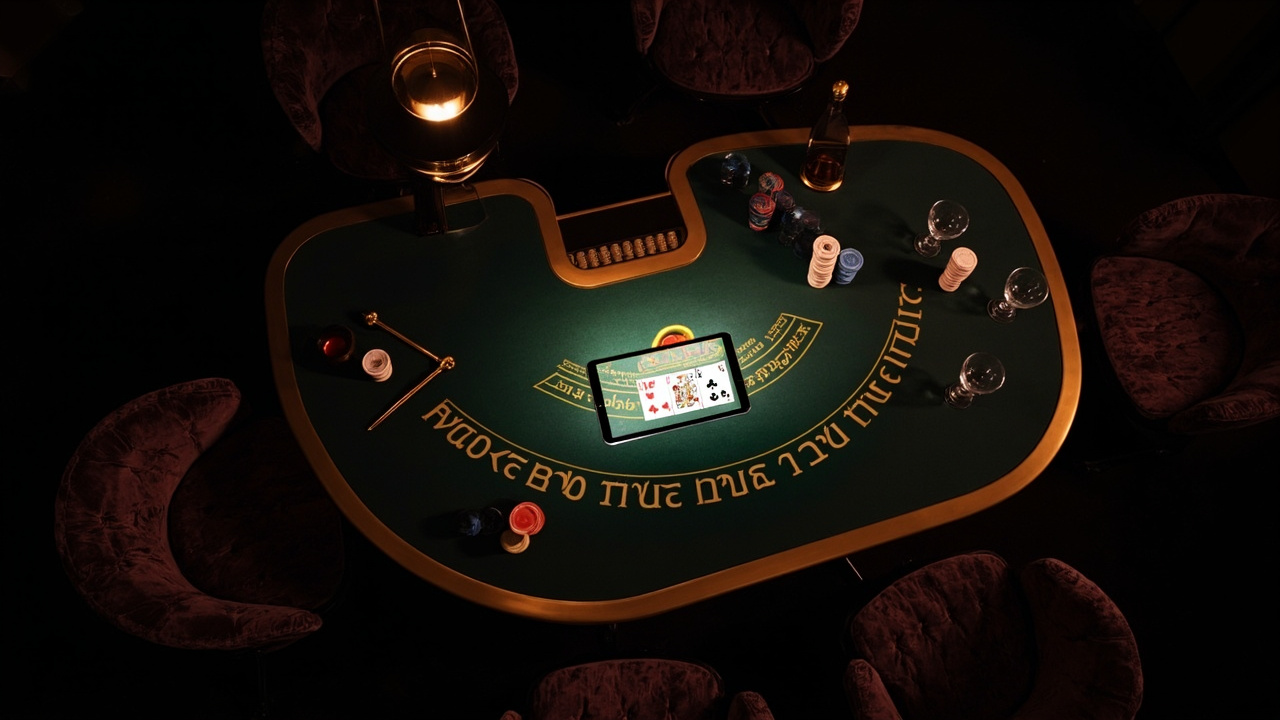
A dice game free play product sits inside a broader welcome offer most of the time, and the free table is only useful if you can read the bonus structure around it without a dictionary. The offer should state the match percentage, the wagering requirement, the eligible games, and the contribution rate for dice clearly, because dice often contributes less than slots in a mixed bonus and that changes the real cost of clearing the playthrough. If the terms say dice contributes ten per cent while slots contribute one hundred per cent, a smart player knows the free table is a warm-up, not the route to a cleared bonus. The eligibility window matters just as much, since a bonus that expires in three days pushes you into rushed decisions rather than disciplined session play.
I have sat across the table from commercial teams who wanted to advertise a big match bonus while burying the dice contribution rate in paragraph four, and my judgement has always been blunt: if the contribution rate is hard to find, it is there to slow you down, not to help you. A transparent operator puts the dice contribution, the max bet limit during bonus play, and the withdrawal hold period in the same screen where you claim the offer. That is the difference between a promo that supports a grinder and one that simply fills a deposit queue. Recurring promos should be treated with the same eye, because a weekly cashback or reload only helps if the wagering on the new funds is reasonable and the free table lets you test the same bet sizes you plan to use live.

Isla Smith, Commercial Director, Southern Reef Gaming, has argued that a bonus is only as good as the clarity of its contribution rules, and that view lines up with what I see in well-run markets. When the free dice table is tied to a bonus with readable terms, you can use practice to decide whether the bet sizing fits your bankroll before you commit real funds. When the terms are vague, the free table becomes a trap dressed as a courtesy. The honest version tells you exactly how much dice counts toward the requirement, what the max bet cap is while the bonus is active, and whether the free balance can be used to trial the same stakes you would use on a funded account.
Session Discipline And The Grinder’s Use Of Free Play
A low roller or grinder plays small stakes over long periods, and that is exactly the player profile that benefits most from a free dice table done properly. The value is not in chasing a big win in practice mode; it is in learning how many rolls it takes for a session to feel normal, how often a losing run appears, and whether your chosen unit size still feels comfortable after forty or fifty bets. If you cannot sit through a boring free session without raising the stakes out of impatience, you are not ready for the same stakes with real money on the line. Free play should expose your own habits before the house ever sees your deposit.
I have used the same commercial lens on dice products that I have used on crypto payment flows and FinTech onboarding, because the question is always whether the product rewards patience or punishes it. A good free table lets you set a slow pace, keep the bet size small, and watch the roll history without nudging you toward a bigger wager every thirty seconds. A poor one is built around urgency, bright prompts, and a reset mechanic that makes losing feel harmless when it is actually teaching you to overbet later. That distinction matters more than the graphics or the number of background colours, because the grinder’s edge is discipline, not novelty.
Adam Hall, Risk and Integrity Manager, Laneway Interactive Media, has pointed out that free play can quietly train bad timing if the session is too generous and the feedback is too immediate, and that caveat is worth taking seriously. When a free table gives you a fresh balance too quickly, it can flatten your sense of risk and make a real deposit feel like the same harmless exercise. The better design keeps the free balance limited, shows the real cost of each roll in plain numbers, and does not pretend that a practice win means anything at all. If you treat free dice as a mirror for your own pacing rather than a rehearsal for profit, it becomes one of the few honest tools in the lobby.
Mobile Use, Support, And Where The Free Table Fits
The mobile experience is where a lot of free dice products either earn trust or lose it, because a grinder who wants to test bet sizing over a long arvo needs a table that loads quickly and does not shuffle the interface around every time the screen rotates. The free table should behave the same on a phone as it does on a desktop, with the same roll history, the same bet controls, and the same pace, because inconsistency is how a player loses track of their own session notes. Support should be reachable without digging through three menus, and the help should be able to answer a plain question about whether the free balance is separate from any bonus balance, since that separation matters more than most lobbies admit.
When the layout holds steady across devices, players can actually stick to their strategy without fighting the browser. That consistency is why we checked the latest updates on casino dice rules before recommending any platform. A stable interface means the grind stays focused on the numbers, not the navigation. ice fishing 2025
I have seen crypto and fiat payment setups that looked clean on the front page and messy in the fine print, and my rule has always been to treat the free table as a test of the operator’s overall discipline, not just the game itself. If the same product cannot explain the difference between a free balance, a bonus balance, and a withdrawable balance in a short support reply, it is not ready to hold a serious player’s time. A solid operator keeps the free table aligned with the rest of the account so the transition from practice to funded play feels like a continuation, not a reset. That kind of consistency is what separates a usable free table from a marketing toy.
Callum Anderson, Lead Gaming Analyst, Yarra Gaming Lab, has noted that a free dice table is most useful when it mirrors the same controls and limits you will actually face on a funded account, because otherwise the practice tells you very little about the real session. That is the standard I apply when I weigh a product for commercial fit, and it is the same standard an Australian player should apply before trusting any free table with their time. If the mobile layout is steady, the support is direct, and the free balance behaves like a practice tool rather than a second chance machine, the product has at least earned a proper look.
A dice game free play option is worth using when it shows you the maths, respects your pace, and tells the truth about bonus contribution and bet limits. The rest is just noise.