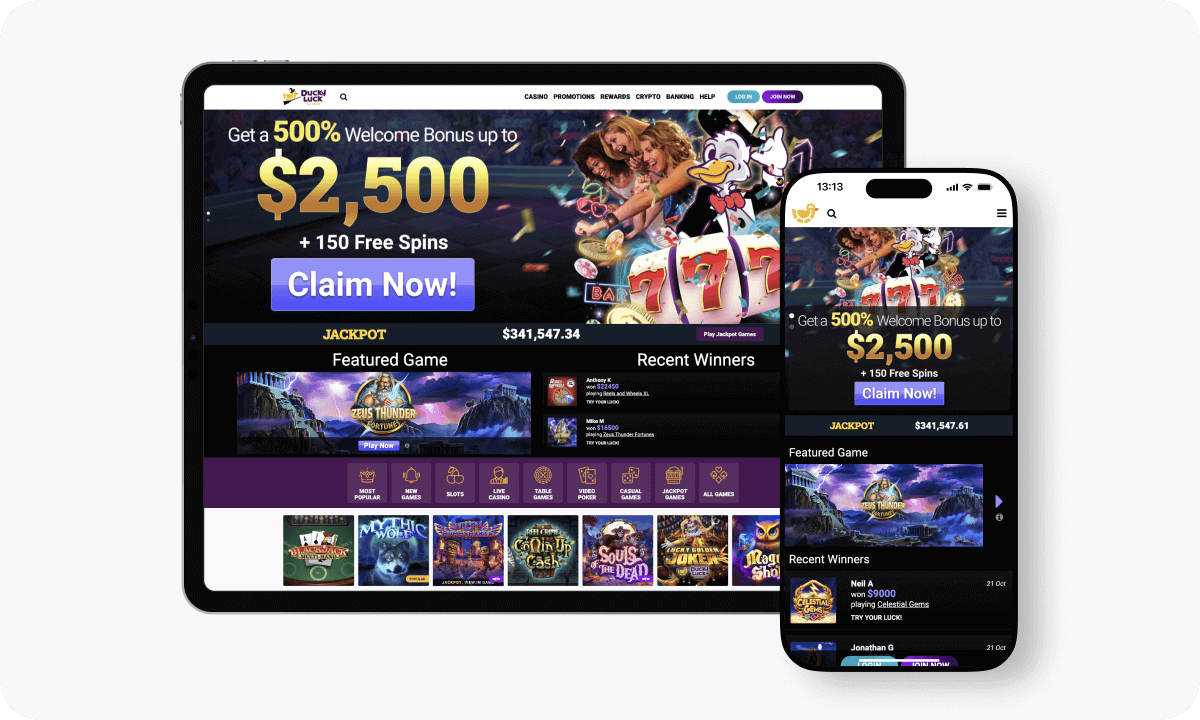
Bar Star is a CORE Gaming slot built around familiar bar-room symbols and classic fruit-machine styling. Its appeal is visual rather than elaborate: the title points to the traditional bar-and-star motif, while the reel area provides the main focus. For Canadian players browsing online slots, it is a straightforward theme to recognise, with a presentation that draws on the long history of land-based and digital slots.
Reel layout and visual style
The game’s identity centres on the compact, instantly legible language of classic slots. Bar symbols and stars are recognisable at a glance, making the screen easier to read than a game filled with layered characters, story scenes or decorative effects. This uncluttered approach puts attention on the reels and their symbols rather than on a separate narrative.
That simplicity can be part of the attraction for players who prefer a traditional slot aesthetic. Bar Star feels connected to the familiar visual vocabulary of classic machines, while remaining an online game. Its theme is deliberately direct: the title, symbols and reel presentation work together without requiring much explanation before play.
What to expect from the game
Bar Star is best approached as a classic-style slot rather than a feature-heavy adventure. The available identifying details establish its developer and theme, but do not provide enough confirmed information to describe specific bonus features, reel dimensions, payline arrangements or payout characteristics. Those details should be checked in the game’s information panel, where the version available at a particular casino can explain its rules and symbols.
As with any online slot, the exact presentation may depend on the platform and device. A simpler visual style can suit both desktop and mobile screens, but players should still open the game’s help section to see how its controls and rules are displayed on their chosen device.
Is Bar Star a good fit for Canadian players?
Bar Star may interest players who enjoy familiar slot imagery and a less ornate screen. Its bar-and-star theme is easy to understand, and its classic visual direction offers a contrast to slots built around expansive fantasy worlds or cinematic sequences. It may be less appealing to anyone seeking a strongly story-led game or a slot with clearly advertised feature variety.
Canadian players should check that an online casino is authorised to operate in their province or territory and review the game information before playing. Slot outcomes are uncertain, and no theme or visual style changes that. Bar Star’s main point of distinction is its straightforward, traditional presentation: the reels and recognisable symbols take centre stage.
Приветствуем всех игроков из Кыргызстана! Сегодня мы хотим рассказать вам об онлайн-казино Pinco Casino для игроков Кыргызстана. Это захватывающее казино, которое предлагает широкий выбор игр и щедрые бонусы.
Бонусы и фриспины
Pinco Casino для игроков Кыргызстана радует своих клиентов разнообразными бонусами и фриспинами. При регистрации вы получите приветственный бонус, а также бонусы за депозиты и участие в акциях.
Игровой опыт
Играть в Pinco Casino для игроков Кыргызстана – это не только увлекательно, но и выгодно. Здесь вы найдете самые популярные слоты, а также настольные игры и возможность играть на реальные деньги.
Регистрация и игры казино
Для начала игры в Pinco Casino для игроков Кыргызстана вам потребуется зарегистрироваться на сайте. После этого вы сможете насладиться широким выбором онлайн-игр и получить уникальный игровой опыт.
Онлайн-игры и слоты
Pinco Casino для игроков Кыргызстана предлагает огромный выбор онлайн-игр, включая популярные слоты от ведущих разработчиков. Вы сможете насладиться яркой графикой и захватывающим игровым процессом.
Не упустите возможность погрузиться в мир азартных игр с Pinco Casino для игроков Кыргызстана. Регистрируйтесь сейчас и начинайте свой путь к большим выигрышам!
Заключение
Pinco Casino для игроков Кыргызстана – это отличный выбор для всех любителей азартных игр. Бонусы, фриспины, качественные игры и удобный интерфейс делают это казино одним из лучших на рынке. Присоединяйтесь прямо сейчас и испытайте удачу вместе с Pinco Casino!
Push-уведомления стали важным инструментом в мире онлайн-казино, позволяя игрокам оставаться в курсе событий и получать актуальную информацию. Они могут уведомлять о новых играх, акциях и бонусах, а также о возможности Казино сол скачать , что делает игровой процесс более удобным и увлекательным. В этой статье мы рассмотрим, как правильно использовать push-уведомления для улучшения своего опыта игры в казино.
Основы, формирующие разумные решения в казино
Эффективное использование push-уведомлений в онлайн-казино может значительно повысить шансы на успех. Эти уведомления представляют собой мгновенные сообщения, которые могут включать информацию о новых играх, текущих акциях и специальных предложениях. Основная их цель — поддержание связи между казино и игроком, что помогает игрокам быть в курсе последних событий и не пропустить выгодные возможности.
Разумное использование этих уведомлений требует понимания, какие именно сообщения будут для вас наиболее полезными. Например, уведомления о новых бонусах или о специальных турнирах могут стать решающим фактором для выбора времени и места для игры.
Как начать использовать push-уведомления
Чтобы максимально эффективно использовать push-уведомления, следуйте этим простым шагам:
Установите приложение казино: Скачайте приложение казино, совместимое с вашим устройством (Android или iOS).
Включите уведомления: После установки, убедитесь, что вы разрешили приложению отправлять вам уведомления.
Настройте предпочтения: Выберите, какие типы уведомлений вам интересны, например, о новых играх или бонусах.
Следите за акциями: Регулярно проверяйте уведомления, чтобы не пропустить выгодные предложения.
Играй с умом: Используйте полученные данные для выбора игр и ставок, основываясь на акциях и событиях.
Удобство получения информации о новых играх
Экономия времени при поиске акций
Увеличение шансов на выигрыш благодаря своевременным уведомлениям
Практические советы по использованию push-уведомлений
При правильном использовании push-уведомлений, игрок может получить множество преимуществ. Например, многие онлайн-казино предлагают эксклюзивные бонусы только для тех, кто подписался на уведомления. Это может быть очень выгодно, особенно для новых игроков, так как они могут получить дополнительно до 450,000 ₸ и 500 бесплатных вращений при первом пополнении счёта.
Еще одним важным аспектом является выбор времени для игры. На основании уведомлений можно определить, когда проходят специальные турниры или интересные акции, что поможет вам не упустить шанс сыграть в свою любимую игру и увеличить свои выигрыши.
Регулярные уведомления о новых играх и функциях
Доступ к эксклюзивным акциям и бонусам
Возможность участвовать в турнирах и соревнованиях
Использование этих уведомлений позволяет не только улучшить игровой опыт, но и существенно увеличить шансы на прибыль.
Ключевые преимущества использования push-уведомлений
Push-уведомления предоставляют игрокам множество преимуществ, которые делают игру более увлекательной и выгодной. Они позволяют игрокам быть в курсе всех последних мероприятий и акций, способствуя улучшению их результатов.
Непрерывная связь с казино — всегда быть в курсе событий
Возможность быстрого реагирования на выгодные предложения
Поддержка интереса к играм благодаря новинкам и обновлениям
Оптимизация времени игры за счёт получения актуальной информации
Эти преимущества делают push-уведомления одним из самых полезных инструментов для игроков, стремящихся к успеху.
Доверие и безопасность
Безопасность в онлайн-казино является одним из приоритетных аспектов. Приложения казино, которые используют push-уведомления, должны быть безопасными и надежными. Важно выбирать казино с хорошей репутацией и соблюдением всех стандартов безопасности. Убедитесь, что приложение имеет шифрование данных и доступно через официальные магазины приложений.
Кроме того, важно следить за тем, чтобы уведомления приходили только от проверенных источников. Это поможет избежать фишинга и других мошеннических действий. Будьте внимательны к сообщениям, которые просят вводить личные данные или ссылки на сторонние ресурсы.
Почему стоит выбирать данный подход
Использование push-уведомлений в казино — это не просто удобство, это стратегический инструмент, который может значительно повысить ваши шансы на успех в игре. С их помощью вы всегда будете в курсе последних новинок, акций и возможных выигрышей.
Таким образом, интеграция push-уведомлений в вашу игровую практику — это разумный шаг, который поможет вам более эффективно управлять своим игровым временем и ресурсами. Не упустите возможность воспользоваться всеми преимуществами, которые они предоставляют, и удачи вам в игре!
Your Ultimate Guide to Winning Big at Online Casinos
Step into the electrifying world of online casinos, where hundreds of premium games and massive jackpots sit just a click away. Experience the thrill of winning big from the comfort of your home, anytime and anywhere.
Understanding the Legal Landscape of Virtual Gambling
Virtual gambling laws can feel like a maze, but getting the basics right saves you serious headaches. The rules shift dramatically depending on where you’re located, since some regions treat online casinos and sportsbooks as fully legal and regulated, while others ban them outright or restrict specific games. Licensing matters too—reputable operators hold permits from recognized authorities, which affects everything from payout fairness to dispute resolution. Age verification and responsible gambling requirements are nearly universal, so expect strict checks before you can play. One key point to remember:
Ignorance of local gambling laws is never a valid defense, so players bear real responsibility for knowing what’s allowed where they live.
Tax obligations on winnings also vary widely, and payment processing can reveal whether a site operates legally in your area. Before depositing a cent, read the terms, confirm the operator’s license, and check your jurisdiction’s stance—your bank balance will thank you.
Jurisdiction-Specific Regulations and Licensing Requirements
Navigating the legal landscape of virtual gambling requires understanding a complex patchwork of regulations that vary dramatically across jurisdictions. Online casinos, poker rooms, and sports betting platforms operate under distinct licensing regimes, with some countries enforcing strict prohibitions while others embrace regulated markets. Key considerations include age verification requirements, responsible gambling mandates, anti-money laundering protocols, and consumer protection standards. Operators must secure proper licenses, comply with data privacy laws, and adhere to advertising restrictions to avoid penalties. Players should verify platform legitimacy and understand their local laws before participating. This evolving framework demands ongoing vigilance as governments worldwide continue adapting legislation to address emerging technologies and cross-border transactions.
Verify operator licensing and jurisdictional legality
Understand age and identity verification requirements
Review responsible gambling and consumer protection policies
Q: Is online gambling legal everywhere? No—legality depends entirely on your jurisdiction, with laws ranging from full prohibition to comprehensive regulation.
How to Verify a Platform’s Legitimacy and Fair Play Certifications
When Maya launched her online card game, she assumed fun and profit lived in the same deck—until a cease-and-desist letter arrived. Her journey reveals why virtual gambling regulations matter: laws vary wildly by jurisdiction, defining what counts as “gambling” based on consideration, chance, and prize. Some regions treat loot boxes as gambling; others permit skill-based contests. Compliance means checking licensing requirements, age verification, payment processing rules, and advertising limits. Maya learned to consult local counsel, geo-block restricted markets, and publish clear terms. Understanding this legal landscape isn’t about killing fun—it’s about building trust, avoiding fines, and ensuring players know exactly what game they’re playing.
Age Restrictions and Responsible Gaming Policies
Navigating virtual gambling laws means understanding a patchwork of national and regional rules that govern online betting, casino games, and poker. The legal landscape of virtual gambling varies dramatically: some jurisdictions fully license and regulate operators, others restrict or ban the activity outright, and many are still catching up with digital technology. Key considerations include licensing requirements, age verification, responsible gambling measures, taxation, and cross-border enforcement. Operators must also comply with anti-money laundering standards and data protection laws. Because regulations shift frequently, staying informed is essential for players, platforms, and policymakers alike.
Check local licensing and age rules before playing
Verify operator legitimacy and consumer protections
Understand tax obligations on winnings
Q: Is online gambling legal everywhere? No—laws differ by country and region, so always check local regulations first.
Types of Digital Gaming Platforms
Digital gaming platforms fall into several categories based on hardware and distribution. Consoles like PlayStation and Xbox offer dedicated gaming hardware with exclusive titles, while PCs provide customizable experiences through storefronts such as Steam and Epic Games. Mobile platforms deliver casual and mid-core games via app stores on iOS and Android devices. Cloud gaming services, including GeForce Now and Xbox Cloud Gaming, stream titles without requiring powerful local hardware. Additionally, browser-based platforms run games directly in web browsers without downloads. Each digital gaming platform serves different player needs, from portability and accessibility to high-performance graphics, shaping how interactive entertainment reaches diverse audiences worldwide.
Instant Play Casinos vs. Downloadable Software
There are several types of digital gaming platforms out there, and each one caters to different playstyles. Digital gaming platforms range from console ecosystems like PlayStation and Xbox to PC storefronts such as Steam and Epic Games. Mobile platforms dominate with app stores, while cloud gaming services like GeForce Now let you stream titles without hefty hardware. You’ll also find browser-based platforms for quick casual fun.
Consoles: PlayStation, Xbox, Nintendo Switch
PC storefronts: Steam, Epic Games, GOG
Mobile: App Store, Google Play
Cloud gaming: GeForce Now, Xbox Cloud Gaming
Browser-based: instant-play web games
Each platform offers its own perks, so picking the right one really comes down to what and where you like to play.
Mobile-Optimized Gaming Experiences
Digital gaming platforms fall into several categories defined by hardware and distribution. Consoles like PlayStation and Xbox offer dedicated gaming hardware, while PC platforms such as Steam and Epic Games Store provide digital storefronts for computer titles. Mobile platforms distribute games through app stores on smartphones and tablets, and cloud gaming services stream titles over the internet without local hardware. Each type differs in accessibility, performance, and game libraries. The types of digital gaming platforms shape how players access and experience games today.
Consoles: dedicated hardware ecosystems
PC storefronts: digital distribution for computers
Mobile app stores: smartphone and tablet gaming
Cloud services: streaming-based play
Choosing a platform often depends on budget, preferred genres, and portability needs.
Live Dealer Studios and Real-Time Interaction
Digital gaming platforms fall into three main categories, each serving distinct player needs. PC gaming platforms like Steam and Epic Games Store dominate with vast libraries and frequent sales. Console ecosystems—PlayStation Network, Xbox Live, and Nintendo Switch Online—offer curated, exclusive experiences with seamless living-room integration. Cloud gaming services such as GeForce Now and Xbox Cloud Gaming stream titles without expensive hardware, while mobile platforms like the App Store and Google Play reach billions of casual players worldwide. Choosing the right platform depends on your budget, preferred genres, and play style.
Cryptocurrency-Friendly Gambling Sites
Digital gaming platforms come in a few main flavors, and knowing the difference helps you pick where to play. Console gaming platforms like PlayStation and Xbox offer big-budget exclusives and plug-and-play simplicity. PC storefronts such as Steam and Epic Games Store give you mods, sales, and serious performance tweaks. Cloud gaming services like Xbox Cloud Gaming stream titles without a powerful rig, while mobile platforms put thousands of games right in your pocket. There’s also browser-based and subscription services rounding things out. Here’s the quick breakdown:
PC storefronts – flexible, moddable, frequent discounts
Cloud gaming – no hardware needed, play anywhere
Mobile – free-to-play kings, on-the-go convenience
Subscriptions – Netflix-style libraries for a monthly fee
Game Categories and Software Providers
Step into any bustling online casino lobby and you will find a world sorted into distinct game categories, each with its own personality and loyal following. Slots dominate the floor with flashing reels and cascading wins, while table games like blackjack and roulette draw purists who crave strategy, and live dealer rooms bring the human touch of a real casino floor straight to the screen. Behind every one of these experiences stands a software provider, the invisible architect whose craft shapes how a game looks, feels, and performs. From industry giants to nimble studios, top-tier software providers compete on innovation, fairness, and smooth mobile play. Choosing a platform backed by trusted game developers is the surest way to enjoy variety without sacrificing quality.
Slot Machines: Themes, Volatility, and Jackpot Varieties
Game categories and software providers form the backbone of any successful online casino platform, and choosing the right combination directly impacts player retention and revenue. A diverse portfolio spanning slots, table games, live dealer experiences, and crash games keeps players engaged across every preference, while partnering with trusted casino software providers guarantees fair play, smooth performance, and seamless integration. Leading developers continuously deliver innovative mechanics, immersive graphics, and mobile-optimized gameplay that elevate the entire experience. Operators who prioritize variety and quality inevitably outperform those who cut corners. The result is a dynamic, competitive offering that attracts new players and keeps existing ones coming back for more.
Table Games: Blackjack, Roulette, Baccarat, and Poker Variants
Game categories and software providers shape every online casino experience, from immersive slots to live dealer tables. Top-tier casino game providers such as Pragmatic Play, NetEnt, and Evolution power diverse categories including video slots, table games, jackpots, and live casino titles. Players benefit from variety, fair RNG-certified gameplay, and consistent quality across devices.
Slots: Pragmatic Play, NetEnt, Play’n GO
Live Casino: Evolution, Ezugi
Table Games: Microgaming, Playtech
Q&A: Why do providers matter? They determine game fairness, variety, and mobile performance.
Specialty Games: Bingo, Keno, Scratch Cards, and Crash Games
Game categories and software providers form the foundation of any online gaming platform, determining the variety and quality of titles available to players. Categories typically include slots, table games, live casino options, crash games, and instant-win formats, each appealing to different player preferences. Software providers such as Pragmatic Play, Evolution, and NetEnt supply these games, and their reputation directly influences platform credibility. Operators often partner with multiple providers to diversify their portfolios and reduce dependency on a single supplier.
Choosing reputable software providers is essential for fair gameplay, reliable performance, and player trust.
Slots and jackpot games
Live dealer and table games
Crash and instant-win titles
Leading Software Developers and Their Signature Titles
Game categories and software providers shape the structure and variety of any online gaming platform. Categories typically include slots, table games, live dealer titles, and instant win options, while providers range from large established studios to niche developers. Understanding these distinctions helps players compare features, volatility, and return rates more effectively. A reliable casino game provider list supports informed choices and clearer platform evaluation.
Bonuses, Promotions, and Loyalty Programs
When Maya first joined the café’s rewards app, she thought little of it—just another card to clutter her phone. But week by week, the small perks added up: a free latte after ten visits, a birthday pastry she hadn’t expected, a surprise double-points weekend that made her morning ritual feel like a game worth winning. That’s the quiet magic of well-designed loyalty programs and bonuses—they turn casual customers into regulars by making every purchase feel like progress. Smart brands layer in seasonal promotions and tiered rewards that reward consistency, while customer retention strategies built around genuine value keep people coming back. When a loyalty program feels personal rather than transactional, it stops being a discount scheme and becomes part of the story customers tell about why they chose you—and why they stay.
Welcome Packages and Deposit Match Offers
Bonuses, promotions, and loyalty programs are powerful tools to drive repeat business and boost customer lifetime value. A well-structured customer retention strategy combines tiered rewards, exclusive discounts, and limited-time offers to create urgency and deepen engagement. Loyalty programs that reward points for every purchase encourage customers to return, while personalized promotions make them feel valued. To maximize impact, align incentives with your brand and track performance regularly:
Offer tiered bonuses that escalate with spending
Run seasonal promotions with clear deadlines
Reward referrals and repeat purchases
Free Spins and No-Deposit Incentives
Bonuses, promotions, and loyalty programs are powerful tools to boost customer retention and revenue. A well-structured loyalty program rewards repeat purchases, turning occasional buyers into brand advocates. Strategic bonuses—such as sign-up credits or referral rewards—create immediate engagement and lower acquisition costs. Time-limited promotions drive urgency, clearing inventory and attracting new customers. Combine these tactics to build a predictable growth engine:
Offer tiered loyalty rewards that increase in value with spending
Use personalized promotions based on purchase history
Deliver surprise bonuses to reinforce positive behavior
Executed consistently, these strategies maximize lifetime value and keep customers coming back.
Cashback Rebates and VIP Tiers
Strategic customer loyalty program design drives measurable revenue growth by rewarding repeat purchases and increasing customer lifetime value. Well-structured bonuses and tiered promotions transform occasional buyers into brand advocates, creating emotional investment that competitors cannot easily replicate.
Retention is the new acquisition—loyal customers spend more, refer more, and cost less to serve.
Points-based rewards that accumulate toward meaningful perks
Exclusive early access and members-only promotions
Personalized bonuses triggered by purchase milestones
Combine these elements with clear communication and you build a loyalty engine that compounds results over time.
Wagering Requirements and Terms to Watch
Bonuses, promotions, and loyalty programs are powerful tools for driving customer retention and increasing lifetime value when structured strategically. A well-designed customer loyalty program should reward repeat purchases while incentivizing higher spend tiers, and bonuses must align with clear behavioral targets rather than arbitrary giveaways. Always model the unit economics before launching any promotion to ensure margins remain sustainable.
Segment rewards by customer value to avoid over-discounting
Use time-limited promotions to create urgency without training customers to wait
Track redemption rates and incrementality, not just participation
Banking Methods and Transaction Security
Banking methods encompass branch visits, ATMs, online portals, and mobile apps, each carrying distinct risk profiles. Transaction security relies on layered defenses such as encryption, multi-factor authentication, tokenization, and real-time fraud monitoring. Cards use EMV chips and contactless limits, while transfers require verified payees and confirmation steps. Customers should enable alerts, use trusted networks, and review statements regularly. secure online banking practices and fraud detection systems together reduce exposure to phishing, skimming, and unauthorized access.
Multi-factor authentication remains the single most effective barrier against account takeover.
Banks continuously update protocols, patch vulnerabilities, and educate users, since security depends on both institutional controls and customer vigilance.
Traditional Payment Options: Cards and Bank Transfers
Modern banking methods combine layered authentication, encrypted channels, and continuous monitoring to protect every transaction. Whether you use mobile banking, online transfers, or contactless cards, robust transaction security protocols should always be non-negotiable. Follow these essentials:
Enable multi-factor authentication and biometric logins.
Verify merchant legitimacy before authorizing payments.
Use tokenization and encrypted payment gateways, never public Wi-Fi.
Monitor statements regularly and set instant transaction alerts.
Q: Are contactless payments safe? Yes—tokenization and dynamic cryptograms make intercepted data useless to fraudsters.
Q: How often should I review account activity? Weekly at minimum; daily if you bank primarily on mobile.
E-Wallets and Prepaid Solutions
Banking methods have come a long way from standing in line at a branch. Today you can move money with a tap, a click, or a quick transfer, but each method comes with its own security quirks. Cards, mobile wallets, and online transfers all rely on layers like encryption, two-factor authentication, and real-time fraud monitoring to keep your cash safe. The key is knowing which method fits the moment and how to protect it.
Always turn on two-factor authentication — it’s the single easiest upgrade to your transaction security.
Cards: chip and contactless tech plus PIN protection
Mobile wallets: tokenization keeps your real card number hidden
Online transfers: encryption and login alerts guard every move
Stick to trusted apps, check your statements regularly, and never share one-time codes — that’s secure digital banking in a nutshell.
Processing Times, Fees, and Withdrawal Limits
When Maya tapped her card at a café, she never imagined the invisible journey her payment would take. Behind that fleeting moment, banking methods and transaction security work quietly together—from mobile wallets and contactless cards to online transfers and ATMs. Each method carries its own safeguards, like encryption, tokenization, and two-factor authentication, forming layers of defense against fraud. Banks monitor patterns in real time, flagging anything unusual before harm occurs. For Maya, convenience and confidence now travel hand in hand, because every tap is protected by technology she never sees but always relies on.
Encryption Standards and Data Protection Practices
Banking methods have come a long way, from standing in line at a branch to tapping your phone at checkout. Today you can move money with mobile banking apps, online transfers, debit and credit cards, or digital wallets—all designed to fit your life. But convenience means nothing without transaction security, which is why banks layer in encryption, two-factor authentication, and real-time fraud monitoring to keep your cash safe.
Always enable two-factor authentication—it’s the single easiest upgrade to your account security.
Use unique, strong passwords for every banking app
Turn on instant transaction alerts
Avoid banking on public Wi-Fi
Stay alert, keep your apps updated, and you’ll enjoy modern banking without the headaches.
Evaluating User Experience and Platform Design
Evaluating user experience and platform design requires a sharp, user-centered lens that goes beyond surface aesthetics. You must assess usability, accessibility, navigation flow, and visual hierarchy to ensure every interaction feels intuitive and purposeful. User experience evaluation uncovers friction points through methods like usability testing, heuristic analysis, and user feedback loops, revealing where design choices either empower or frustrate people. Meanwhile, platform design assessment examines responsiveness, consistency, and cross-device performance, ensuring the interface adapts seamlessly to real-world contexts. The goal is to transform raw data into actionable insights that drive iterative refinement. When evaluation becomes a continuous, empathetic practice, platforms evolve into experiences that feel effortless, engaging, and genuinely human-centered.
Navigation, Searchability, and Game Filtering
Evaluating user experience and platform design requires a systematic, evidence-based approach rather than relying on intuition. Start by defining measurable usability goals, then combine usability testing and heuristic evaluation to capture both observed behavior and expert-identified friction points. Track task completion rates, time-on-task, error frequency, and satisfaction scores to quantify performance, while session recordings and heatmaps reveal where users hesitate or abandon flows. Prioritize findings by severity and frequency so remediation targets the highest-impact issues first. Treat evaluation as continuous, not a one-off audit—iterative testing after each design change closes the loop between insight and improvement. Accessibility and cross-device consistency deserve equal weight, since fragmented experiences erode trust faster than isolated defects.
Customer Support Channels and Response Quality
Evaluating user experience and platform design requires systematic assessment of usability, accessibility, and interaction flow. Key methods include heuristic evaluation, usability testing, and analytics review to identify friction points. User-centered design evaluation examines navigation clarity, load times, visual hierarchy, and responsiveness across devices.
Conducting moderated usability tests with representative users
Auditing accessibility against WCAG standards
Analyzing behavioral metrics such as bounce and conversion rates
Continuous iteration based on measurable feedback ensures the platform adapts to evolving user needs while maintaining functional coherence.
Accessibility Features and Multi-Language Support
Judging user experience and platform design comes down to watching how real people actually use the thing, not just admiring how it looks. You want to see whether users can find what they need without scratching their heads, whether navigation feels obvious, and whether the layout works just as well on a phone as on a laptop. Load times, clear buttons, readable text, and sensible menus all matter more than flashy graphics. If people keep clicking the wrong thing or giving up halfway, that’s your design telling you something. The best way to evaluate is simple: test with real users, note where they stumble, and fix those pain points first.
Common Pitfalls and How to Avoid Them
Even seasoned writers stumble into common traps that dilute their message and frustrate readers. Vague phrasing, buried lede sentences, and inconsistent tone are among the biggest culprits—each one silently eroding clarity and engagement. To sidestep these pitfalls, draft with intention: outline your core point before writing, cut filler ruthlessly, and read your work aloud to catch awkward rhythms. Pay attention to keyword placement so your content stays discoverable without feeling forced, and always prioritize reader intent over cramming in extra words. Consistency matters too—pick a voice and stick with it. Finally, never skip the editing pass; a second read catches what the first missed. Avoid these traps, and your writing will land sharper, cleaner, and far more compelling.
Recognizing Unlicensed Operators
Common pitfalls in English writing often stem from overcomplicating sentences, misusing punctuation, and ignoring audience expectations. To avoid these common writing mistakes, writers should prioritize clarity by keeping sentences concise and varying structure deliberately. Proofreading aloud catches awkward phrasing and missing commas, while reading widely exposes you to correct conventions. Avoid jargon unless your audience shares it, and always verify facts before publishing. Structural issues like inconsistent tense or unclear pronoun references confuse readers, so outline before drafting and revise in separate passes. Seeking feedback from a second reader further reduces errors. Consistent practice and deliberate review transform weak drafts into polished, effective prose.
Keep sentences short and purposeful
Proofread aloud to catch errors
Outline before drafting
Get feedback from a second reader
Q: How can I catch mistakes I keep missing? Read your work aloud or backward, sentence by sentence, and have someone else review it.
Understanding Hidden Fees and Restrictive Clauses
Even strong writers stumble into common pitfalls that weaken their message. Vague wording, runaway sentences, and inconsistent tone can confuse readers and dilute your content clarity and engagement. Watch for repetition, jargon overload, and buried main ideas. To avoid these traps, read your draft aloud, trim unnecessary words, and lead with your key point. Use active voice, vary sentence length, and proofread for grammar and flow. Small, consistent edits turn clumsy drafts into polished, persuasive writing that keeps readers hooked from the first line to the last.
Setting Deposit Limits and Self-Exclusion Tools
Even experienced writers stumble into common pitfalls that weaken their message. The biggest culprits? Vague language, information overload, and ignoring your audience. To dodge these traps, prioritize clarity by cutting unnecessary jargon, structure content with scannable headings, and always proofread aloud to catch awkward phrasing. Avoid the dreaded wall of text by breaking ideas into digestible chunks, and never assume your reader shares your background knowledge. Mastering these essential writing strategies transforms muddy drafts into polished, persuasive prose that keeps readers hooked from the first line to the last.
Trends Shaping the Industry
Honestly, the biggest shifts in the industry right now come down to speed, trust, and personalization. AI tools are automating boring tasks left and right, letting teams focus on creative work that actually moves the needle. Meanwhile, customers expect hyper-relevant experiences, so data-driven personalization is no longer a nice-to-have—it’s table stakes. Privacy regulations keep tightening too, which means transparent data practices are becoming a real competitive advantage rather than just a compliance headache. Remote and hybrid workflows have permanently reshaped how companies hire and collaborate, opening up global talent pools. And sustainability? Buyers are voting with their wallets, pushing brands to prove their values, not just talk about them.
Companies that treat AI adoption and ethical data use as core strategy—not afterthoughts—will pull ahead of the pack within the next couple of years.
Buckle up, because the pace isn’t slowing down anytime soon.
AI-Driven Personalization and Game Recommendations
Every morning, plant managers walk the same floor, yet the story unfolding there has changed. Machines now whisper predictions before they break, and dashboards translate noise into foresight. This is the era of smart manufacturing and Industry 4.0, where data flows like electricity once did. Sustainability has moved from a footnote to a headline, with circular supply chains reshaping how materials travel. Automation no longer threatens—it collaborates, with cobots working shoulder to shoulder with skilled hands.
The factories that thrive will be those that treat data as a raw material sites not on gamstop and trust as a finished good.
Predictive maintenance replacing reactive repairs
Digital twins accelerating design cycles
Reshoring and regional supply networks gaining ground
Virtual Reality Gaming Concepts
Several forces are reshaping the industry and redefining how businesses compete. Digital transformation and AI adoption continue to accelerate, automating workflows and enabling data-driven decisions at scale. Sustainability has moved from optional to essential, with companies embedding ESG practices into core strategy to meet regulatory and consumer expectations. Personalization powered by analytics helps brands deliver tailored experiences that build loyalty. Remote and hybrid work models have reshaped operations and talent strategies. Supply chain resilience remains a priority as firms diversify sourcing and invest in visibility tools. Together, these trends push organizations toward agility, efficiency, and long-term adaptability.
Social Casinos and Gamification Elements
Picture a factory floor where machines whisper to the cloud and dashboards predict tomorrow’s demand before the shift ends. That’s the new normal, and it’s reshaping everything from supply chains to customer expectations. Three forces stand out: AI-driven automation that trims waste and speeds decisions, sustainability mandates pushing circular design and transparent sourcing, and hyper-personalization powered by real-time data. Each trend feeds the next, creating a flywheel of efficiency and trust. Digital transformation in manufacturing has shifted from buzzword to baseline, separating leaders from laggards fast.
Companies that treat data and sustainability as one strategy, not two, will own the next decade.
In der heutigen digitalen Welt, in der Mobilität großgeschrieben wird, ist es für Online-Casinos entscheidend, ihren Spielern eine benutzerfreundliche mobile App anzubieten. Onlyspins Casino hebt sich durch seine beeindruckende Auswahl an über 9.700 Spielen hervor und bietet seinen Nutzern die Freiheit, jederzeit und überall zu spielen, während sie auf onlyspins-swiss.com die neuesten Angebote entdecken können. Diese Artikel beleuchtet die Vorteile der mobilen App von Onlyspins Casino, deren Funktionen und wie neue Spieler unkompliziert einsteigen können.
Wie neue Spieler die wichtigsten Casino-Signale erkennen können
Für neue Spieler kann die Welt der Online-Casinos überwältigend sein. Es gibt zahlreiche Anbieter, Spiele und Bonusangebote. Zu wissen, welche Signale wichtig sind, um ein gutes Casino auszuwählen, ist entscheidend. Onlyspins Casino bietet eine breite Palette an Spielen, von Slots über Live-Casino bis hin zu Tischspielen, und zeichnet sich durch schnelle Auszahlungen und attraktive Willkommensboni aus. Hier sind einige der wichtigsten Punkte, die Sie beachten sollten.
Ein wesentlicher Aspekt ist die Sicherheit und der Schutz Ihrer Daten. Bei Onlyspins Casino wird SSL-Verschlüsselung eingesetzt, um sicherzustellen, dass Ihre persönlichen und finanziellen Informationen sicher sind.
So starten Sie mit Onlyspins Casino
Der Einstieg bei Onlyspins Casino ist einfach und unkompliziert. Folgen Sie diesen Schritten, um schnell ins Spiel zu kommen:
Registrieren Sie sich: Eröffnen Sie ein Konto, indem Sie Ihre Daten eingeben.
Bestätigen Sie Ihre Angaben: Verifizieren Sie Ihre Identität, um einen reibungslosen Ablauf sicherzustellen.
Lehnen Sie Ihre erste Einzahlung: Wählen Sie die gewünschte Zahlungsmethode und zahlen Sie Geld ein.
Wählen Sie Ihr Spiel: Durchstöbern Sie die über 9.700 verfügbaren Spiele und wählen Sie Ihr Lieblingsspiel aus.
Starten Sie das Spielen: Beginnen Sie, Spaß zu haben und genießen Sie die Vielfalt der Spiele.
Einfacher Registrierungsprozess für einen schnellen Start.
Vielfältige Zahlungsmethoden inklusive Bitcoin.
Umfangreiche Spielauswahl, die für jeden etwas bietet.
Praktische Details für Onlyspins Casino
Mit über 9.700 Spielen kommt bei Onlyspins Casino keine Langeweile auf. Die Plattform bietet nicht nur Slots und Tischspiele, sondern auch ein aufregendes Live-Casino-Erlebnis, das Ihnen die Atmosphäre eines echten Casinos direkt nach Hause bringt. Die mobile App ist intuitiv gestaltet, um eine einfache Navigation zu gewährleisten. Egal, ob Sie sich für Slots, Tischspiele oder Sportwetten interessieren, die App hat für jeden etwas zu bieten. Die schnelle Auszahlungsmethode sorgt dafür, dass Gewinne schnell auf Ihr Konto gelangen, was die Nutzererfahrung erheblich verbessert.
Über 9.700 Spiele, darunter klassische Slots und neue Titel.
Live-Dealer-Spiele für ein authentisches Casino-Erlebnis.
24/7 Kundensupport via Live-Chat und E-Mail für sofortige Hilfe.
Die vielfältigen Zahlungsoptionen, einschließlich Kreditkarten, E-Wallets und Kryptowährungen, ermöglichen es den Spielern, die für sie bequemste Methode auszuwählen und Einzahlungen schnell und einfach durchzuführen.
Wichtige Vorteile von Onlyspins Casino
Onlyspins Casino bietet seinen Spielern zahlreiche Vorteile. Die Kombination aus einer breiten Spielauswahl, attraktiven Boni und einem benutzerfreundlichen Interface macht das Spielen zu einem Vergnügen. Spieler können von einem großzügigen Willkommensbonus profitieren, der 350 % bis zu CHF 1.650 sowie 200 Freispiele umfasst. Dies gibt Ihnen die Möglichkeit, verschiedene Spiele auszuprobieren, bevor Sie echtes Geld setzen.
Hoher Willkommensbonus für neue Spieler.
Schnelle Auszahlungen, die das Spielerlebnis optimieren.
SSL-Verschlüsselung für Sicherheit und Datenschutz.
24/7 Kundensupport für alle Anliegen.
Vielfältige Zahlungsmethoden, die Flexibilität bieten.
Vertrauen und Sicherheit bei Onlyspins Casino
Bei Online-Casinos ist Vertrauen von größter Bedeutung. Onlyspins Casino setzt alles daran, seine Spieler zu schützen. Mit moderner SSL-Verschlüsselung werden alle persönlichen und finanziellen Daten sicher übertragen. Darüber hinaus arbeitet das Casino mit anerkannten Softwareanbietern, um faire Spielbedingungen zu gewährleisten. Dies bedeutet, dass Sie sich beim Spielen sicher fühlen können und wissen, dass die Spiele unabhängig geprüft wurden.
Das Casino legt großen Wert auf Verantwortungsbewusstsein im Spiel und bietet Ressourcen für Spieler, die Unterstützung benötigen. Bei Problemen können sich Spieler jederzeit an den 24/7 Kundenservice wenden, um Hilfe zu erhalten.
Warum Onlyspins Casino wählen?
Die Wahl des richtigen Casinos ist entscheidend für Ihr Spielerlebnis. Mit seiner umfangreichen Spielauswahl, hohen Sicherheitsstandards und einem hervorragenden Kundenservice steht Onlyspins Casino an der Spitze der Online-Glücksspielbranche. Die mobile App ermöglicht es Ihnen, überall und jederzeit zu spielen, was Ihre Flexibilität erhöht und den Spaß am Spiel maximiert.
Nutzen Sie die attraktiven Boni und die vielfältigen Spiele, um das Beste aus Ihrem Spielerlebnis herauszuholen. Starten Sie noch heute bei Onlyspins Casino und entdecken Sie die Welt des Online-Glücksspiels!
Приветствуем вас на нашем сайте, посвященном Pin-Up играм на реальные деньги для игроков из Казахстана. Если вы ищете захватывающий игровой опыт, возможность сорвать крупный джекпот и получить щедрые бонусы, то вы попали по адресу. Pin-Up казино предлагает широкий выбор игр, включая слоты, рулетку, блэкджек и многое другое.
Игровые автоматы и слоты
Одним из самых популярных развлечений в онлайн казино являются игровые автоматы или слоты. В Pin-Up казино вы найдете огромное разнообразие слотов от ведущих разработчиков. Независимо от ваших предпочтений, здесь есть игры на любой вкус – от классических фруктовых автоматов до современных видео слотов с захватывающим сюжетом.
Бонусы и бесплатные вращения
При регистрации в Pin-Up казино вас ждут щедрые бонусы и бесплатные вращения. Эти приветственные подарки помогут вам увеличить свой игровой баланс и повысить шансы на выигрыш. Не упустите возможность получить дополнительные бонусы при пополнении счета или участии в акциях и турнирах.
Регистрация и игра на реальные деньги
Чтобы начать играть на реальные деньги в Pin-Up казино, вам необходимо пройти быструю и простую процедуру регистрации. Заполните необходимые поля, подтвердите свою личность и выберите удобный способ оплаты. После завершения регистрации вы сможете наслаждаться азартом и играть на реальные суммы.
Онлайн игры и казино
Pin-Up казино предлагает не только широкий выбор игровых автоматов, но и классические казино игры. Попробуйте свою удачу за игровым столом в блэкджеке, рулетке или покере. Онлайн игры с живыми дилерами позволят вам почувствовать атмосферу реального казино не выходя из дома.
Игровой опыт и преимущества
Играя в Pin-Up казино, вы получите неповторимый игровой опыт и увлекательные приключения. Благодаря качественной графике, увлекательным сюжетам и высоким выплатам вы будете наслаждаться каждой минутой игры. Не упустите возможность испытать азарт и сорвать крупный выигрыш вместе с Pin-Up казино!
Не теряйте время, присоединяйтесь к нам прямо сейчас и наслаждайтесь лучшими играми на реальные деньги в Pin-Up казино!
The Ultimate Guide to Football Kits Every True Fan Needs
Picture a team walking out of the tunnel in matching shirts, shorts, and socks, instantly recognizable to every fan in the stands. A football kit is the coordinated set of clothing players wear during a match, and its matching colors and patterns identify which team a player belongs to. Modern kits are made from lightweight, breathable fabrics that wick sweat away and keep players comfortable through ninety minutes of running. Players simply pull on the jersey, shorts, and socks before kickoff, letting the kit handle moisture and movement so they can focus on the game.
The Evolution of Matchday Apparel Through the Decades
Matchday apparel has transformed dramatically from the heavy cotton shirts and thick wool shorts of football’s early days to today’s featherweight synthetic kits. Early football kits prioritized durability over comfort, with baggy fits and stiff collars that restricted movement. The 1970s brought bold colors and tighter fits, reflecting the flamboyant era’s spirit while improving aerodynamics on the pitch. Moisture-wicking fabrics revolutionized matchday wear in the 1990s, finally addressing player sweat and performance needs. Modern kits now balance breathability, stretch, and personalized fit in ways early footballers could only dream of. Today’s matchday apparel focuses on enhancing athletic performance through engineered ventilation zones and seamless construction, proving how far football kits have evolved.
From Heavy Cotton to High-Tech Synthetics
Early football kits were made from heavy cotton, which absorbed sweat and became waterlogged, weighing players down and causing chafing during matches. The shift to high-tech synthetic fabrics transformed matchday apparel by introducing lightweight polyester blends engineered for moisture-wicking, quick drying, and breathability. These synthetics pull sweat away from the skin, reduce cling, and allow greater freedom of movement, directly improving comfort and performance on the pitch. Modern kits also incorporate mesh ventilation zones and stretch panels that cotton could never provide, while retaining shape and color after repeated washing. The progression from absorbent cotton to engineered synthetics reflects a practical focus on keeping players cooler, drier, and faster over ninety minutes.
Q: Why did football kits move away from heavy cotton? Heavy cotton soaked up sweat, became heavy, and restricted movement. High-tech synthetics wick moisture, dry quickly, and stay lightweight, keeping players more comfortable and mobile throughout the match.
Iconic Designs That Defined Entire Eras
Certain iconic football kit designs instantly evoke their decades. Brazil’s 1970 yellow shirt with green trim and blue shorts became the visual shorthand for attacking brilliance. The Netherlands’ 1974 orange total-football kit, with black accents and a clean collar, defined an entire stylistic movement. Liverpool’s all-red transition in the 1960s shifted the club’s identity and influenced kit psychology for years. Argentina’s 1986 sky-blue and white stripes, worn with black shorts, locked a national style into memory. These designs worked because their colour blocking and simple silhouettes translated clearly on television and in photographs, making them instantly recognizable across generations.
Iconic designs endure because they fuse a distinctive colour palette with a simple, repeatable silhouette that becomes inseparable from the era’s footballing identity.
How Color Choices Shaped Club Identity
Color choices became the most immediate language of club identity, turning shirts into emblems fans could read from the terraces. Early kits borrowed local civic hues or school colors, but repetition fixed those shades in memory until a specific red or blue meant a specific badge. Club color identity hardened through matchday ritual, not design decree, as supporters wore the same tones week after week and rivals adopted contrasting palettes to sharpen distinction. Even minor shifts in trim or shade could feel like a betrayal precisely because color had become the club’s public face.
How did color choices shape club identity? By repeating a recognizable palette across decades, so that hue alone could signal allegiance before a crest or name was visible.
Design Psychology Behind Team Uniforms
Design psychology behind team uniforms in football kits shapes how players feel and how opponents read them before a ball is kicked. Bold vertical stripes stretch a player’s silhouette, making them appear taller and harder to track at speed, while high-contrast color blocking draws the eye to key zones like shoulders and chest. A goalkeeper’s clashing kit signals separation from outfielders, helping defenders react faster in chaotic boxes.
Research on uniform color perception shows teams in red are judged more dominant and aggressive, which can seed a psychological edge before kickoff.
Darker tones feel grounded and defensive, lighter ones energetic and open, so kit designers balance intimidation with unity by syncing palette to a team’s identity and tactics.
Why Certain Colors Intimidate Opponents
Certain colors intimidate opponents because they trigger primal psychological associations before a ball is even kicked. Red kits signal dominance and aggression, subtly warning rivals of relentless pressure and high intensity. Black conveys authority and ruthlessness, making teams appear disciplined and unforgiving. Research shows opponents often perceive red-wearing sides as more confident, leading to hesitancy in tackles and reduced assertiveness. Goalkeepers in bold colors like neon yellow appear larger and more commanding, unsettling strikers during penalties. These effects work best when color psychology aligns with a team’s pressing style and physical reputation, creating a self-fulfilling cycle where opponents expect to be overwhelmed.
Why do red football kits intimidate opponents? Red is subconsciously linked to dominance and danger, so rivals often perceive red-wearing teams as more aggressive and confident, causing hesitation and defensive errors.
The Role of Patterns in Brand Recognition
Patterns compress a club’s identity into a repeatable visual cue that fans recognize before they read a crest or sponsor. Stripes, hoops, checks, and sashes create a distinctive pattern signature that the brain matches to memory in milliseconds, which is why supporters can identify their team from a distance or a blurry screen. Consistency across home, away, and goalkeeper kits reinforces this recognition, while subtle pattern variation keeps the identity fresh without breaking recall. A pattern works best when it stays recognizable at a glance yet distinct enough that a rival’s similar design cannot be mistaken for it.
Repeat the core pattern across kits and training wear to strengthen recall.
Keep contrast high so the pattern reads clearly on screens and in stadiums.
Vary scale or secondary motifs rather than abandoning the signature pattern.
Balancing Tradition With Modern Aesthetics
Balancing tradition with modern aesthetics in football kits means keeping the club’s recognizable identity while making the design feel current. Fans connect emotionally to classic colors, crest placement, and signature patterns, so honoring those elements builds trust and belonging. At the same time, fresh cuts, updated fabric textures, and subtle graphic details keep the kit feeling modern without erasing history. The trick is knowing which elements are untouchable and which can evolve. Balancing tradition with modern aesthetics works best when heritage cues stay bold and new touches stay quiet, so the shirt still feels like home to longtime supporters while looking sharp to newer ones.
Keep core colors and crest placement consistent across seasons
Refresh patterns through subtle texture rather than bold redesigns
Let modern fits and fabrics update comfort without changing identity
Test changes with fans to confirm the kit still feels authentic
Materials and Performance Technology
Modern football kits use advanced performance fabrics to keep players dry, cool, and unrestricted. Engineered polyester microfibers with moisture-wicking channels pull sweat away from the skin and spread it across the surface for rapid evaporation, while lightweight mesh panels in high-heat zones—underarms, back, and sides—maximize airflow during sprinting and pressing. Four-way stretch construction allows full range of motion for shooting, tackling, and turning, and bonded seams reduce chafing and irritation during ninety minutes of contact. Anti-odor treatments keep kits fresher between washes, and durable, colorfast dyeing maintains vivid club colors through repeated laundering. These material choices directly translate into cooler body temperature, drier skin, and greater comfort, giving players a genuine competitive edge on the pitch.
Moisture-Wicking Fabrics Explained
Moisture-wicking fabrics pull sweat away from your skin and spread it across the surface of the shirt so it evaporates fast, keeping you drier and lighter during play. In football kits, this means engineered polyester knits with capillary channels that transport perspiration instead of soaking it up like cotton. Look for moisture-wicking fabric technology in the match shirt and training tops, especially in high-sweat zones like the back and underarms. The result is fewer clingy, heavy patches, better breathability, and more consistent comfort across ninety minutes. Choose kits that state wicking performance explicitly, and wash them without fabric softener to preserve the finish.
Lightweight Construction and Player Speed
Every gram matters when you’re sprinting for a through ball. Modern football kits use lightweight construction to cut unnecessary weight from fabric, seams, and trims, so players accelerate faster and sustain top speed with less energy wasted fighting their own shirt. Breathable, ultra-thin materials move with the body instead of dragging against it, reducing air resistance during full-stride runs. To maximise the speed benefit, players should:
Choose a fitted cut that hugs the torso without restricting arm swing.
Opt for moisture-wicking fabrics that stay light when soaked with sweat.
Avoid bulky collars, cuffs, and heavy badges that add drag and grams.
Thermal Regulation for Different Climates
Football kits must manage heat differently across climates, so fabric engineers tune thermal regulation for different climates through material choice and construction. In hot, humid conditions, lightweight mesh panels and moisture-wicking synthetics accelerate sweat evaporation, while open-knit zones over the back and underarms release trapped heat. In cold climates, kits incorporate brushed inner linings or tightly woven fabrics that retain warmth without bulk, often paired with wind-resistant overlays on exposed areas. Layering systems let players adapt to transitional weather, with base layers adding insulation that can be removed as intensity rises. Ventilation placement shifts accordingly: heat-mapping guides where perforations or closed weaves best support the body’s cooling or insulating needs. These material decisions directly shape comfort and performance across diverse playing environments.
Thermal regulation for different climates relies on climate-specific fabric structures—mesh and moisture-wicking synthetics for heat, brushed linings and wind-resistant weaves for cold—so kits maintain player comfort and performance across varied conditions.
Manufacturing Giants Dominating the Market
When you pull on a football kit, you are almost certainly wearing the work of a handful of manufacturing giants that control elite kit production. Nike, Adidas, and Puma dominate because their fabrics, stitching, and fits are engineered for match-day performance, not just looks. These manufacturing giants invest heavily in moisture-wicking materials and reinforced seams, so their kits hold up through repeated washes and hard tackles. Adidas and Nike together supply kits for the majority of Europe’s top clubs, which means fans and players alike trust their sizing consistency and durability. Choosing a kit from these manufacturing giants gives you proven quality control, reliable fit, and fabric technology tested at the highest level of the game.
Major Sportswear Brands and Their Signature Styles
Each manufacturing giant translates football kits into a recognizable visual identity. Nike favors engineered mesh with bold color-blocking and futuristic gradients, giving kits a lightweight, aerodynamic feel. Adidas leans on its three-stripe shoulder signature and recycled AEROREADY fabric, prioritizing breathability and heritage cues. Puma channels fitted cuts and aggressive graphic prints for a sharper, modern silhouette. New Balance emphasizes textured jacquard panels and understated tonal crests, appealing to clubs seeking a refined look. These signature football kit styles let supporters identify a brand instantly from shirt construction, trim placement, and fabric finish alone.
Q: How do the signature styles differ in fit and fabric? A: Nike and Puma cut closer to the body, Adidas balances room with breathable knits, and New Balance opts for structured, textured weaves.
Sponsorship Deals Worth Billions
When you see a club’s shirt, that giant logo is part of sponsorship deals worth billions tied directly to kit manufacturing. Manufacturers pay clubs huge sums to put their brand on the chest, and those deals often decide which company makes the kit. First, the manufacturer negotiates a deal with the club to supply kits and pay for front-of-shirt exposure. Then the club wears that kit in every match, giving the sponsor global visibility. Finally, the manufacturer sells replica shirts with that sponsor logo, and the cycle repeats each season. These mega-deals explain why kit designs rarely change sponsors mid-season.
Smaller Boutique Makers Challenging the Status Quo
Smaller boutique makers challenge the dominance of manufacturing giants by offering football kits that prioritize distinctive design over mass-market sameness. These independent producers often work in limited runs, giving supporters access to kits that feel exclusive rather than ubiquitous. By focusing on bespoke football kit craftsmanship, they can use higher-grade fabrics and refined detailing that larger factories rarely justify at scale. Boutique makers also respond quickly to niche fan communities, producing tailored fits and custom crests that big brands overlook. This agility lets them build direct relationships with buyers, bypassing traditional retail layers and keeping creative control intact.
Authentic Versus Replica: What Buyers Should Know
When you buy a football kit, knowing whether it’s authentic or replica matters for fit, feel, and durability. Authentic kits are what players wear: tighter cut, lighter performance fabric, heat-pressed badges. Replicas are fan versions: looser fit, thicker material, embroidered crests. Check the tags and stitching first—authentic shirts often have a holographic label and cleaner seams.
Q: How can I tell quickly? A: Look inside the collar for a woven size label and compare the crest’s edges—sharp and flat means authentic; raised and slightly rough means replica.
Replicas cost less and suit everyday wear; authentics cost more and suit collectors or intense matchdays. Always try before buying, since sizing differs noticeably between the two.
Spotting Counterfeit Jerseys Online
When hunting for football kits online, your first defense is a close inspection of product photos. Zoom in on the club crest, sponsor logo, and brand mark—crooked stitching, blurry lettering, or off-center badges are dead giveaways. Check whether the seller shows the inner neck tag and wash label; fakes often misspell fabric details or use generic sizing. Compare the kit’s layout to official release images, especially sleeve patches and hem tags. Finally, reverse-image search the listing photos to see if the same shots appear across unrelated stores.
Zoom into crest and sponsor logos for flaws.
Verify inner tags and wash labels.
Compare design details to official photos.
Reverse-image search listing pictures.
Price Differences and Quality Indicators
A steep discount is the first red flag when judging football kits, because authentic shirts carry fixed production and branding costs that replicas avoid. Expect genuine kits to cost significantly more, while suspiciously cheap prices usually signal cut-rate materials and shortcuts in construction. Check the badge: authentic crests are embroidered with clean, dense stitching, whereas replicas often use glued or loosely stitched patches that peel quickly. Inspect the fabric weight and breathability, since authentic kits use performance weaves that feel substantial, while replicas tend to be thinner and coarser. Examine seams, sponsor printing, and tag placement, because sloppy finishing across these details consistently reveals price differences and quality indicators that separate real from fake.
Collector Value of Player-Issued Shirts
Player-issued shirts carry collector value because they represent the exact garment prepared for matchday, distinguishing them from retail replicas through tailored fit, heat-pressed or stitched details, and internal labeling that matches squad specifications. Provenance determines worth: a shirt with photomatching, a signed COA, or direct club or player sourcing commands far more than an unverified example. Condition matters equally—washes, crest lifting, and removed name sets erode value. Collectors should verify serial tags, compare sizing against issued standards, and request high-resolution images of inner labels and wear patterns. Player-issued shirt authentication relies on these physical markers, not seller claims. Without documented lineage, an issued shirt trades closer to a high-quality replica, so demand evidence before paying a premium.
Q: How much more is a player-issued shirt worth than a replica? A: Typically several times a replica’s price, but value hinges entirely on provenance, photomatching, and condition—undocumented issued shirts lose most of their premium.
Cultural Impact Beyond the Pitch
Football kits carry cultural meaning that extends far beyond matchday. A club’s colours and design become symbols of local identity, migration histories, and community pride, worn in everyday life as statements of belonging. Fans adopt replica shirts to signal allegiance across generations and diasporas, turning kits into shared language between strangers. Cultural impact beyond the pitch shows how shirts function as storytelling objects, embedding regional motifs, political memories, and streetwear credibility into fabric.
Kits succeed culturally when they feel authentic to the communities that wear them, not just to the teams that play in them.
This makes design choices deeply practical: supporters read meaning into patterns, colours, and crests, and those readings shape how kits are worn, gifted, and passed down.
Streetwear Trends Inspired by Terrace Fashion
Terrace fashion translates football kits into everyday wear through specific, repeatable styling choices. Retro shirts are worn oversized and untucked, often paired with straight-leg denim or track pants to soften the athletic fit. Layering matters: a kit under an open jacket or over a long-sleeve tee creates the casual, functional silhouette terrace crowds favored. Color coordination leans on club palettes, with scarves and caps echoing shirt trim rather than matching it exactly. Footwear stays practical—trainers with low profiles—while branding is deliberately understated. These choices turn a matchday garment into streetwear trends inspired by terrace fashion, where fit, layering, and restraint matter more than the badge itself.
Terrace-inspired streetwear with football kits works through oversized retro fits, practical layering, club-palette coordination, low-profile trainers, and understated branding.
Retro Shirts as Fashion Statements
Retro football shirts have become genuine fashion statements because their bold patterns, unmistakable collar shapes and vintage sponsor logos offer a look that modern replica kits rarely match. Wearing a classic design signals authenticity and a knowing nod to football heritage, letting supporters stand out in streetwear rather than blend in. The key to pulling off a retro shirt as a fashion statement is styling it like any considered wardrobe piece: pair a 1990s jersey with plain jeans or tailored trousers, keep the rest of the outfit understated, and let the shirt carry the visual weight. Fit matters too, so choose a cut that sits cleanly on the shoulders instead of hanging loose.
How Fans Use Apparel to Express Loyalty
Fans transform football kits into visible declarations of allegiance that extend far beyond matchday. Wearing a replica shirt signals instant recognition among fellow supporters, creating unspoken bonds in streets, pubs, and stadiums worldwide. Supporters customize jerseys with player names and numbers to honor club legends or current heroes, turning apparel into personal tributes. Wearing football apparel as a loyalty statement allows fans to carry their identity into everyday life, whether at work, school, or travel. Scarves draped over shoulders, retro shirts worn with pride, and matching family kits all communicate devotion that transcends results on the pitch. This sartorial commitment transforms supporters into walking ambassadors for their clubs.
Sustainability in Sportswear Production
When you pull on a football kit, the most sustainable choices often come down to materials and how long the shirt lasts. Look for kits made from recycled polyester, which turns plastic bottles into breathable fabric, or bio-based fibers like recycled cotton blends. Sustainability in sportswear production for football kits also means fewer dyes, waterless coloring, and designs that don’t go out of style after one season.
A durable kit you actually wear for years beats a cheap one you replace every few months.
Check for reinforced stitching and wash cool to keep the fabric alive longer, since how you care for your kit is part of the sustainability story too.
Recycled Fabrics and Eco-Friendly Dyes
Modern football kits increasingly use recycled fabrics and eco-friendly dyes to cut environmental impact without sacrificing performance. Recycled polyester, often spun from post-consumer plastic bottles, delivers the same lightweight durability and moisture-wicking properties players demand, while recycled nylon offers stretch and abrasion resistance for goalkeepers and outfield kits alike. Eco-friendly dyes—such as low-water reactive dyes and plant-based colorants—reduce chemical runoff and water consumption during production, and they hold color fastness through repeated washes and intense match play. Together, these choices mean your kit feels identical on the pitch but carries a lighter footprint, and caring for it is simple: wash cool, air dry, and avoid fabric softeners to preserve both recycled fibers and dye vibrancy.
Circular design in football kits means planning a shirt’s entire lifecycle before it is made, so materials can be separated, reused, or broken down instead of discarded. Clubs and brands increasingly run shirt recycling schemes that collect old or unsold kits from fans and turn them into new fibre or lower-grade textile products. Because football shirts often combine polyester with printed logos and trims, effective recycling depends on designing those elements for easy removal. Practical steps include using single-material fabrics, avoiding glued-on badges, and printing names and numbers with inks that wash out during recycling.
Choose kits made from mono-material polyester to simplify recycling.
Return worn or outdated shirts to club-run take-back points.
Remove printed names, numbers, and patches where schemes require it.
Support designs with detachable or stitched trims instead of glued components.
Ethical Labor Practices in Supply Chains
Choosing a football kit with ethical labor practices in supply chains means looking beyond fabric and fit to how the garment was made. Verify that brands publish supplier lists naming factories and subcontractors, since hidden subcontracting is where labor abuses most often occur. Check whether wages are described as living wages rather than legal minimums, and whether workers have freely chosen representation. Trace the kit’s full production chain, including fabric mills and print shops, not just final assembly. Certifications such as SA8000 or Fair Wear Foundation membership indicate independent auditing, but confirm audit summaries are public. Supplier transparency lets supporters judge whether a kit’s makers were treated fairly.
Seasonal Releases and Fan Culture
Seasonal kit releases have become cultural events, with fans marking their calendars for home, away, and third-shirt unveilings each summer. Supporters often debate design choices online within hours of a leak or launch, turning each drop into a shared ritual. Home kits tend to carry the most emotional weight, since they represent continuity and tradition across generations of supporters. Away and third kits, by contrast, invite experimentation and are frequently judged on how boldly they depart from convention. Some fans deliberately wait for end-of-season discounts, treating the kit as a collectible rather than an immediate matchday purchase.Wearing a new shirt at the first home game signals belonging, and retro reissues often let older supporters reconnect with the kits of their youth.
Home, Away, and Third Kit Strategies
Home kits anchor identity with traditional colors fans expect to see weekly, while away kits solve clash problems and offer a bold visual counterpoint on the road. Third kit strategies give clubs room to experiment with fashion-forward designs that appeal to younger supporters and streetwear culture. Timing releases across the season keeps anticipation high, turning each drop into a cultural moment rather than a simple retail event. A well-designed third kit often becomes the most coveted shirt precisely because it breaks from tradition without abandoning the club’s visual DNA. Smart clubs link each kit’s story to matches, players, and supporter rituals so every shirt feels essential to the season’s narrative.
Home kits protect tradition, away kits resolve clashes with character, and third kits push creative boundaries to keep fan culture fresh and engaged all season.
Leak Culture and Online Reveal Hype
Leak culture has turned every football kit cycle into a suspense-filled countdown, with blurred factory photos and grainy phone shots sparking online reveal hype weeks before clubs say a word. Fans dissect every collar, sponsor logo, and fabric texture, then flood social media with mockups and hot takes that build anticipation and shape expectations. This speculation gives supporters a sense of insider access, making the eventual official drop feel like the payoff of a shared detective story. Clubs now time their teasers to ride that momentum, while savvy fans learn to separate credible leaks from noise. Q: Why do fans chase leaks so eagerly? Because early glimpses fuel debate, community bonding, and the thrill of feeling ahead of the official reveal.
Limited Editions and Anniversary Collections
Limited editions and anniversary collections transform football kits into wearable commemorations, often revisiting a club’s defining era through precise detailing such as retro crests, original sponsor scripts, and period-correct collar shapes. These releases typically appear in restricted quantities, so sizing and availability shift quickly; checking official launch dates and early-access windows matters more than waiting for a general sale. Collectors should verify whether a shirt includes special packaging, numbered tags, or matchday-only embroidery, because those markers distinguish a true limited edition football kit from a standard reissue. Anniversary collections also reward research into fabrication—some use heavier cotton or updated performance fabrics while preserving vintage visuals, changing fit and care needs.
Q: How can fans tell a genuine limited edition or anniversary collection kit apart from a regular release? A: Look for documented production limits, unique commemorative badges, numbered authenticity labels, and distinct packaging listed by the club or manufacturer.
Caring for Your Jersey Collection
To preserve football kits, always wash jerseys inside out in cold water on a gentle cycle and avoid fabric softeners that break down synthetic fibers. Air-dry your collection away from direct sunlight, as heat fades colors and damages printed sponsors. Store each jersey folded in a cool, dry place rather than on wire hangers to prevent shoulder stretching and creasing. Keep shirts away from rough surfaces that cause snags, and spot-clean stains promptly with mild detergent. For vintage or match-worn football kits, hand-washing is safer than machine cycles. Rotate regularly worn jerseys and inspect seams periodically to catch loose stitching early.
Washing Techniques to Preserve Prints
To protect printed names, numbers, and sponsor logos on football kits, always turn the jersey inside out before washing so the print faces away from the drum. Wash in cold water on a gentle cycle and avoid fabric softener, which can break down print adhesives over time. Washing techniques to preserve prints also include skipping the tumble dryer entirely, since heat is the leading cause of cracking and peeling. Air-drying flat in the shade protects both the print and the fabric’s shape. Never iron directly over printed areas; use a pressing cloth on low heat if needed.
Q: Should I wash a printed football jersey inside out? Yes—turning it inside out reduces friction against the print during the wash cycle and helps prevent cracking and peeling.
Storage Solutions for Long-Term Value
To protect long-term value, store each jersey flat or folded in acid-free archival boxes rather than hanging, which stretches shoulders and prints. Use breathable cotton garment bags instead of plastic, which traps moisture and causes mildew. Keep kits away from direct sunlight and damp walls, and add silica gel packs to control humidity. Follow this sequence:
Wash and fully dry the jersey before storage.
Place it in an acid-free box with tissue at folds.
Add silica packs and seal the lid.
Store in a cool, dark, dry space.
Inspect every few months to catch creases or pests early and preserve resale condition.
Repairing Wear and Tear on Vintage Pieces
Vintage football kits are delicate, so patching small holes early stops them from growing. For repairing wear and tear on vintage pieces, turn the shirt inside out and use a fine needle with matching thread for loose seams. Frayed hems respond well to a simple blanket stitch, while tiny snags can be secured with a dab of clear fabric glue. Avoid ironing directly over repairs, and always test any adhesive on an inside hem first. Gentle hand washing after repairs keeps patches intact and protects older fabrics from further stress, so your favourite retro shirt stays wearable.
Match thread colour to the original fabric before stitching
Secure loose seams from the inside to hide repairs
Test fabric glue on a hidden hem first
Regional Style Differences Across Leagues
Watch a Premier League match and you’ll see kits cut slim with bold sponsor blocks, a look built for broadcast close-ups and global merchandising. Serie A kits often lean toward richer detailing—embroidered crests, tonal patterns, and tailored collars that feel more formal, almost sartorial. In South America, especially Brazil and Argentina, kits carry looser fits and vivid, high-contrast palettes that read clearly in sunlit stadiums and on dusty pitches. Climate shapes fabric choices as much as culture shapes color: Nordic leagues favor layered, weather-ready designs, while African leagues often embrace bright, symbolic prints tied to national identity. Pacing and body type expectations differ too, so a kit that feels sharp in London can feel restrictive in Buenos Aires. Sleeve length, collar style, and crest placement quietly signal which football culture a kit belongs to, even before a ball is kicked.
European Design Philosophies Compared
European kit design splits into two broad schools. The British tradition favors saturated club colors, contrast trim, and straightforward geometric patterns that read clearly from the stands. Italian and Spanish design leans toward richer detailing—tonal crests, engineered fabrics, and slim fits that prioritize elegance over boldness. German kits typically pursue functional minimalism: clean blocks of color, restrained accents, and patterns derived from engineering rather than ornament. These European design philosophies compared directly affect fit, fabric weight, and how a shirt ages through a season. Understanding them helps supporters choose kits that match both body type and aesthetic expectation.
British kits: bold color blocking and high-contrast trim
Italian and Spanish kits: refined detailing and tailored fits
German kits: minimal, function-first color schemes
South American Flair and Bold Graphics
South American kits embrace bold graphics and uninhibited color in ways European shirts rarely dare. Brazilian club strips often pair vivid yellows and greens with oversized crests and diagonal sashes, while Argentine designs favor deep blues broken by striking white bands and dramatic typography. These shirts reject minimalism: patterns sprawl across the chest, sponsor logos sit large, and gradients or geometric prints appear without apology. The result is a kit that feels festive and instantly recognizable, signaling flair over restraint. For supporters, choosing such a shirt means embracing visible energy—bold graphics that read clearly from the stands and celebrate regional identity rather than hiding it.
Asian Market Preferences and Local Collaborations
Asian supporters gravitate toward slimmer, more tapered football kit cuts than the looser European silhouettes, and they favor bolder graphic prints, oversized club crests, and vibrant color blocking that reads clearly on camera and in stadium crowds. Local collaborations shape these kits directly: clubs partner with regional streetwear labels, manga artists, and pop-culture icons to produce limited-edition drops that blend club identity with familiar cultural references. These co-created kits often emphasize lightweight, humidity-friendly fabrics and shorter sleeve lengths suited to warmer climates. Asian market kit preferences and local collaborations therefore push clubs toward design choices that feel culturally resonant rather than merely translated from Western templates. Understanding these cues helps fans anticipate fit, fabric, and graphic styling before buying.
Q: How do local collaborations change a football kit’s design for Asian fans? A: They merge club colors and crests with regional pop-culture or streetwear aesthetics, typically pairing slimmer fits and breathable fabrics with bold graphics that reflect local identity.
What Makes Up a Complete Football Kit
Jerseys, Shorts, and Socks: The Core Components Explained
Goalkeeper Kit Differences and Why They Stand Out
Essential Accessories That Complete the Matchday Look
How to Choose the Right Football Kit for Your Needs
Matching Kit Types to Playing Surface and Weather Conditions
Sizing and Fit Guide for Adults, Youth, and Kids
Replica vs. Authentic Match Kits: Key Differences Worth Knowing
Materials and Features That Affect Comfort and Performance
Breathable Fabrics and Moisture-Wicking Technology Explained
Why Mesh Panels, Ventilation Zones, and Stretch Fabrics Matter
Durability Factors: Stitching, Print Quality, and Fabric Weight
Practical Tips for Buying and Wearing Football Kits
How to Verify Authenticity Before You Purchase
Customization Options: Names, Numbers, and Badge Placement
Caring for Your Kit to Keep Colours and Fabric Intact
Common Questions About Football Kits Answered
Can You Mix and Match Jerseys, Shorts, and Socks From Different Kits?
What Size Kit Should You Buy for a Growing Child?
How Often Should You Replace a Worn-Out Football Kit?
Buy eSIM Instantly: A Professional Guide to Purchasing Data Plans
Buy eSIM and activate mobile data in minutes without a store visit or plastic card. You simply purchase a plan online, scan a QR code, and connect to a local network on arrival. This gives you instant connectivity, no roaming fees, and the freedom to switch carriers whenever you travel.
Understanding eSIM Technology and How It Works
When you buy an eSIM, you’re purchasing a digital profile that gets downloaded directly onto a small embedded chip inside your phone, replacing the need for a physical plastic SIM card. The eSIM chip is soldered into your device and can store multiple carrier profiles, so you simply scan a QR code or tap an activation link from your provider to install the plan you bought. This means your new mobile plan can be active within minutes of purchase, without waiting for shipping or visiting a store. Once installed, you can switch between profiles in your settings, keeping your home number active while adding a local data plan abroad. Buying an eSIM is essentially buying instant, hardware-free connectivity that lives entirely in software.Just confirm your phone is eSIM-compatible and carrier-unlocked before you buy.
What an eSIM Is and Why It Differs from a Physical SIM
An eSIM is a programmable chip embedded directly in your phone, while a physical SIM is a removable plastic card. When you buy eSIM plans, the carrier delivers a digital profile you install by scanning a QR code, so there is no card to insert or ship. This difference changes how you activate and switch mobile plans, because profiles can be stored and swapped in software rather than by handling hardware. Unlike a physical SIM, an eSIM lets you keep your primary number active while adding a travel or secondary plan. The practical sequence is straightforward: purchase a plan, receive the QR code, scan it, and confirm the installation.
How Embedded SIMs Connect to Mobile Networks
An embedded SIM connects to mobile networks by downloading a carrier profile over the internet rather than relying on a physical card. When you buy eSIM service, the provider supplies a QR code or activation link that installs this profile onto the device’s eSIM chip. The chip then authenticates with the carrier’s network using credentials stored in the profile, letting the device register and access voice and data services. You can store multiple profiles and switch between them in settings, which helps when traveling or managing separate work and personal lines. Activation typically requires a Wi-Fi connection for the initial download.
The eSIM chip connects to mobile networks by downloading and authenticating a carrier profile, enabling service without a physical SIM.
Device Compatibility: Phones, Tablets, and Wearables
Before you buy eSIM, verify that your specific device model supports eSIM and is carrier-unlocked. Compatibility varies widely: most recent flagship phones from Apple, Samsung, and Google include embedded SIM hardware, while many mid-range and older models do not. Tablets with cellular connectivity often support eSIM, but Wi-Fi-only variants never do. Wearables such as smartwatches typically require eSIM support tied to a companion phone plan, and standalone eSIM activation is limited to select models. To confirm device compatibility for phones, tablets, and wearables, check your manufacturer’s specifications, look for an EID in your device settings, and confirm the model is not restricted to a single carrier.
Key Benefits of Going Digital with Your Mobile Plan
Buying an eSIM turns your mobile plan into a fully digital experience, eliminating the need to wait for or handle a physical SIM card. You can purchase and activate a plan in minutes, often before you even arrive at your destination, which is especially useful for international travel. Switching between plans becomes simple, as you can store multiple profiles on one device and toggle between them without swapping cards. A key practical benefit is that your primary number stays active for calls and messages while the eSIM handles data. This makes eSIM particularly convenient for keeping your home line reachable without incurring roaming fees. Overall, buying an eSIM reduces friction and gives you immediate, flexible control over your connectivity.
Instant Activation Without Waiting for Delivery
When you buy an eSIM, the entire activation process is delivered digitally, so there is no physical SIM card to ship and nothing to wait for in the mail. Your profile arrives as a QR code or manual activation string, ready to install the moment your purchase is confirmed. This means you can set up connectivity before you leave home, at the airport, or even after landing. Instant activation without waiting for delivery removes shipping delays and lost-card risks entirely, letting you complete setup in minutes rather than days. Because the profile is provisioned remotely, the practical delay is limited to installing it and enabling the line, not waiting on a courier.
How quickly can I activate my eSIM after buying it? Typically within minutes: complete checkout, receive your QR code or activation details, scan or enter them in your device settings, and the line is ready once the profile installs.
Switching Carriers and Plans in Minutes
When you buy eSIM, switching carriers and plans takes minutes instead of days. There is no plastic to order, no store visit, and no waiting for a SIM to arrive by mail. You simply choose a new plan, scan a QR code or tap an activation link, and your eSIM installs directly on your phone. Switching carriers and plans in minutes means you can change providers before a trip, move to a cheaper plan mid-month, or test a local network the moment you land. Your old line can stay active alongside the new one, so you never lose calls or messages during the transition. The entire process happens on your device, on your schedule.
Switching carriers and plans in minutes with eSIM removes the friction of physical SIMs, letting you change providers instantly from your phone.
Reduced Plastic Waste and Environmental Impact
Choosing an eSIM eliminates the physical SIM card entirely, which means no plastic card body, no surrounding plastic carrier frame, and no printed paper packaging shipped to your door. Each traditional SIM you avoid represents a small but tangible reduction in plastic waste and environmental impact, and those savings add up every time you switch plans or travel. Because eSIM activation happens remotely, there is also no envelope, no courier delivery, and no fuel spent transporting a card you might use once. The result is a simpler, cleaner way to connect that keeps disposable plastic out of your drawer and out of landfills. Q: Does buying an eSIM really reduce plastic waste? Yes—every eSIM replaces a plastic SIM card and its packaging, cutting waste and shipping emissions with each plan you activate.
Preparing Your Phone Before Getting an eSIM
Before you buy an eSIM, confirm your phone is carrier-unlocked and supports eSIM technology, since a locked or incompatible device will prevent activation. Check your manufacturer’s settings menu for an EID or eSIM profile option to verify compatibility. Update your phone’s operating system to the latest version to avoid installation errors during activation. Ensure a stable Wi-Fi connection is available, as most eSIM purchases require scanning a QR code or manual activation while connected. Remove any outdated SIM profiles you no longer use, and back up important data in case a network reset becomes necessary. Completing these phone preparation steps before buying an eSIM helps ensure a smooth, error-free activation once your purchase is complete.
Checking Carrier and Network Support
Before you buy an eSIM, verify that your current carrier supports eSIM activation and that your phone is carrier-unlocked. Check the carrier’s official eSIM compatibility list, then confirm your device model appears on both the carrier’s approved list and the eSIM provider’s device compatibility list. Next, confirm your phone’s network bands match the destination network’s bands, since missing bands can cause weak coverage or no service. Also verify the eSIM plan’s coverage area includes your intended location. Finally, test whether your carrier allows eSIM transfer or requires a QR code from the provider, as this affects activation steps.
Confirm carrier eSIM support, device compatibility, network band coverage, and activation method before buying an eSIM.
Confirming Your Device Is Unlocked
Before purchasing an eSIM, confirm your phone is carrier-unlocked, since a locked device will reject the eSIM profile even after successful installation. On iPhone, go to Settings, then General, then About, and check the Carrier Lock line; it should read “No SIM restrictions.” On Android, open Settings, then Connections or Network, then SIM Manager, and look for a message confirming the device is unlocked, or dial *#*#4636#*#* to view lock status. Alternatively, contact your carrier directly and ask them to verify the unlock status or provide an unlock code. Confirming your device is unlocked before buying an eSIM prevents failed activations, wasted purchases, and the need for refunds or exchanges.
Updating Software and Backing Up Data
Before you buy an eSIM, give your phone a quick tune-up by installing the latest software updates—this ensures your device supports eSIM profiles and resolves bugs that could interrupt activation. Then back up your data: sync contacts, photos, and messages to cloud storage or a computer so nothing is lost if a reset becomes necessary during setup. Verify your backup completed successfully, and note your important account credentials. With updates applied and data safely stored, you can purchase and install your eSIM confidently, knowing your phone is ready and your information is protected.
Where to Find Reliable eSIM Providers
To buy an eSIM with confidence, start where trust is built into the transaction: the official websites of established mobile carriers and recognized travel-connectivity brands. These providers publish transparent pricing, device-compatibility checkers, and instant QR-code delivery, so you know exactly what you are buying before you pay. Marketplaces and app stores can expand your options, but verify each seller through independent reviews and confirm the plan activates on your specific phone.
Buy directly from the provider’s own site whenever possible—it is the simplest way to guarantee legitimate activation and real customer support.
Check refund policies and support channels before checkout, and avoid deals that demand unusual payment methods or lack clear plan details.
Direct Carrier Options Versus Third-Party Marketplaces
When buying an eSIM, you can purchase directly from a mobile network carrier or through a third-party marketplace that resells multiple carrier plans. Direct carrier options typically offer official support channels, transparent pricing tied to that network, and plans optimized for the carrier’s own coverage. Third-party marketplaces aggregate plans from various providers, which can simplify comparing options across destinations and sometimes surface lower-cost or short-term packages, though support and plan details may vary by reseller. A key trade-off with direct carrier options versus third-party marketplaces is control: direct purchases keep billing and troubleshooting within one provider, while marketplaces add a layer between you and the network. Check activation steps, refund terms, and whether the plan is prepaid or tied to an account before buying.
Direct carrier eSIM purchases offer official support and single-provider clarity, while third-party marketplaces provide broader plan comparison at the cost of an extra intermediary layer.
Comparing Coverage, Pricing, and Data Packages
When you buy eSIM, put coverage first: check the provider’s map for your destination and confirm local network partners, then filter plans by data amount, validity, and speed. Compare the total price, including activation fees and top-up costs, not just the headline rate. Match the package to your usage—light plans for short trips, larger bundles for streaming or hotspots. Comparing coverage, pricing, and data packages side by side helps you avoid overpaying for unused data or weak signals. Also check hotspot allowances, throttling limits, and whether plans are country-specific or regional.
Q: How do I compare eSIM plans without getting overwhelmed? A: Shortlist providers that cover your destination, then compare data size, validity, speed limits, hotspot rules, and total price—including fees—before buying.
Reading Reviews and Verifying Provider Credibility
When you buy eSIM, reviews reveal patterns that single testimonials obscure. Read recent reviews on independent platforms and app stores, prioritizing detailed accounts of activation failures, data speed, and refund handling over star averages. Look for reviewers who name their device and destination, since compatibility complaints often stem from specific models. Cross-check the provider’s claimed coverage against user-reported dead zones, and search forums for recurring support complaints. Verifying provider credibility also means confirming a traceable company address, responsive support channels, and transparent terms before purchase. Treat review volume skeptically—many short five-star entries may be incentivized—and weigh consistent, specific criticism more heavily than praise. A provider that addresses complaints publicly signals accountability.
Read recent, detailed, device-specific reviews on independent platforms; weigh recurring complaints over star averages; and verify a provider’s address, support responsiveness, and transparent terms before buying an eSIM.
Purchasing an eSIM: Step-by-Step Walkthrough
To buy an eSIM, first check your phone supports it and is carrier-unlocked, then pick a provider and plan that fits your trip or needs. Head to the provider’s site or app, choose your data package, and create an account if required. Pay with your preferred method, and you’ll get a QR code or manual activation details by email. Scan the QR code in your phone’s settings under cellular or mobile data, label the new line, and set it as your data source. Q: How long does this take? A: Usually just a few minutes from purchase to activation. Test your connection before you travel, and keep the QR code handy in case you need to reinstall.
Choosing the Right Plan for Your Needs
When you buy an eSIM, picking the right plan starts with matching data volume to your actual habits—light travelers can stretch a 3GB plan, while streamers and remote workers should size up. Check the validity period next: a seven-day plan wastes money on a two-week trip, so align duration with your itinerary. Decide between local, regional, and global coverage based on how many countries you’ll visit, and confirm whether hotspot tethering is included if you need to share your connection. Finally, compare whether the plan is data-only or bundles a phone number for calls and texts. To lock in the right eSIM plan for your needs, follow this quick sequence:
Estimate your daily data usage.
Match the plan’s validity to your trip length.
Choose local, regional, or global coverage.
Confirm hotspot and voice/SMS features before purchasing.
Completing Payment and Receiving the QR Code
After selecting a plan, you proceed to checkout and enter your payment details, choosing from accepted methods such as credit card, PayPal, or digital wallets, then confirm the transaction. Upon successful processing, the provider generates a unique QR code tied to your purchased eSIM profile, which is displayed on the confirmation screen and simultaneously sent to your registered email address. This receiving the QR code step is critical, as it contains the activation data required to install the eSIM. You should save or screenshot the code immediately, since the confirmation page may expire, and store it securely until installation. Failure to retain the QR code typically requires contacting support to reissue it.
What should I do if I completed payment but did not receive the QR code? Check your spam or promotions folder first, then verify the email address entered at checkout; if it is still missing, contact the provider’s support with your order number to request a reissue.
Scanning and Installing the Profile on Your Device
After you buy an eSIM, you’ll usually get a QR code by email or in the provider’s app. Open your phone’s settings, find the cellular or mobile data section, and choose the option to add a plan. Scan the QR code to install your eSIM profile, then follow the prompts to label it and set your preferences. If the code won’t scan, most providers also offer a manual activation code you can type in instead. Installation takes just a minute or two, and once it’s done, you can switch to the new plan and start using data right away.
Best Options for International Travelers
For international travelers buying an eSIM, prioritize providers offering broad multi-country regional plans over single-country options, since one eSIM covering Europe or Asia eliminates the hassle of switching plans at each border. Choose eSIMs with instant QR activation and data-only plans paired with your existing number for calls, keeping costs low. Verify device eSIM compatibility and carrier unlock status before departure, as this is the most common failure point. Opt for providers with transparent per-GB pricing and hotspot tethering support rather than unlimited plans that throttle after a threshold. Buy and install your eSIM on airport Wi-Fi before departure so you land connected, and favor vendors with responsive 24/7 support and easy top-ups for longer trips.
Regional Versus Country-Specific Data Plans
When you buy an eSIM, choosing between a regional versus country-specific data plan shapes both your budget and coverage. A regional eSIM covers multiple countries under one plan, making it ideal for multi-country trips where you cross borders frequently. A country-specific plan limits coverage to one destination, often at a lower price or with more data. If your itinerary stays within a single nation, the local option usually wins on value. For backpacking routes through several countries, a regional plan saves you from buying separate eSIMs at each stop. Check your exact destinations before deciding.
Can one regional eSIM really replace several country plans? Yes, if every destination on your route falls within that region’s coverage zone. Otherwise, country-specific plans remain the safer pick.
Avoiding Roaming Fees on Trips Abroad
Buying an eSIM before departure is one of the simplest ways to avoid roaming fees abroad, since you activate a local data plan on arrival instead of paying your home carrier’s daily or per-megabyte charges. An eSIM keeps your regular SIM in the phone for calls and texts while all data runs through the cheaper plan, so you never trigger roaming. To stay fee-free, buy and install the eSIM over Wi-Fi before you fly, switch off data roaming on your primary line, and set the eSIM as your default data line. Data-only plans are the safest choice for avoiding surprise charges.
Install and test the eSIM on Wi-Fi before departure.
Disable data roaming on your home SIM.
Set the eSIM as the default line for mobile data.
Choose data-only plans to prevent inadvertent charges.
Managing Multiple Profiles for Different Destinations
When you buy eSIMs for multi-country trips, keep one profile per destination and label each by country or region so you can switch without confusion. Install all profiles before departure, then enable only the one needed at each border; disable data on inactive profiles to prevent accidental roaming charges. Store each profile’s ICCID and activation details in a note, and delete expired profiles to free slots. Managing multiple eSIM profiles for different destinations works best when you rename profiles clearly and track activation windows, since some plans start only when first connected.
Can I keep several destination eSIM profiles installed at once? Yes—most phones store multiple profiles, but only one can be active for data at a time; toggle between them as you travel.
Activating and Configuring Your New Plan
Once you buy an eSIM, activating your new plan usually means scanning a QR code from your provider or entering an activation code manually in your phone settings. Activating and configuring your new plan starts by installing the eSIM profile under your device’s cellular settings, then labeling it clearly so you can tell it apart from your primary line.
Turn off data roaming on your main SIM and set the new eSIM as your default data line before you travel.
Check that mobile data is toggled on for the new plan, enable roaming if your destination requires it, and restart your phone if the signal doesn’t appear. Test the connection with a quick browser load or speed check, and save your provider’s support contact in case configuration needs a manual APN tweak.
Setting the Default Line for Calls and Data
After installing your purchased eSIM, open your device’s cellular settings to assign which line handles calls and which handles data. Set the default line for calls and data by selecting your new eSIM as the preferred line for mobile data, then choose whether it also serves as the default voice line or remains data-only. Leaving the primary SIM as the voice line while routing data through the eSIM is often the cleanest split for travelers. Confirm the selection and disable “allow cellular data switching” if you want to prevent accidental charges.
Open Settings > Cellular.
Tap Cellular Data and select your eSIM.
Tap Default Voice Line and choose your preferred line.
Turn off data switching to lock the assignment.
Troubleshooting Common Installation Errors
When you buy eSIM and activation stalls, fix it fast by checking your device’s eSIM compatibility and carrier lock status before retrying. Confirm you’re connected to stable Wi-Fi, then reinstall the eSIM profile by deleting the failed entry and rescanning the QR code from your purchase email. If the QR code fails, manually enter the SM-DP+ address and activation code provided. Restart your phone, update the operating system, and toggle airplane mode to refresh the network. For troubleshooting common installation errors, follow this order:
Verify compatibility and carrier lock.
Connect to strong Wi-Fi.
Delete and reinstall the profile.
Enter activation details manually.
Restart and update your device.
These steps resolve most eSIM installation failures quickly and reliably.
Testing Connectivity Before You Travel
After you buy an eSIM and install it, test connectivity before departure while still on familiar ground. Keep your primary SIM active for calls, enable the eSIM line, and confirm the data line is set correctly. Run a speed and connection test on mobile data with Wi-Fi off, load a website, send a message, and place a test call if your plan supports it. Check that the APN matches the provider’s instructions and that data roaming is enabled where required. Note any activation delays or errors now, when you can still contact support easily.
Q: How do I know my eSIM works before I travel? A: Disable Wi-Fi, verify the eSIM is the active data line, then browse, message, and run a speed test; if it fails, recheck APN and roaming settings or contact support before you leave.
Managing Costs and Avoiding Hidden Charges
When you buy an eSIM, check the total price before paying, not just the headline rate. Watch for added taxes, activation fees, and currency conversion charges at checkout, since these can raise the final amount well above the advertised cost. Confirm whether the plan is prepaid or auto-renewing; recurring charges can quietly stack up if you forget to cancel. Data top-ups often cost more than buying a larger plan upfront, so estimate your usage first. Be aware that some providers charge separately for hotspot use or throttle speeds after a set limit.Read the refund and expiry terms before purchase, as unused or partially used plans are rarely reimbursed.
Understanding Data Caps and Throttling Policies
When you buy an eSIM, it’s super easy to miss the fine print about data caps and throttling, which is exactly where hidden charges love to hide. A data cap is simply the high-speed allowance you get before speeds drop, and throttling means your connection slows way down once you hit it rather than stopping entirely. The catch is that some plans then charge you extra to restore full speed, so always check whether your plan throttles or bills after the cap. Look for the fair usage policy before checkout, since that’s where throttling limits usually live. Knowing this upfront keeps your trip budget predictable and avoids nasty surprises.
Auto-Renewal Versus Prepaid Top-Ups
When you buy an eSIM, choosing between auto-renewal and prepaid top-ups really comes down to how much control you want over your spending. Auto-renewal keeps your data plan rolling without you lifting a finger, which is handy if you rely on constant connectivity, but it can quietly rack up charges if you forget to cancel or your usage spikes. Prepaid top-ups, on the other hand, let you pay as you go and see exactly what you’re spending before it happens. Auto-renewal versus prepaid top-ups is really a trade-off between convenience and cost awareness. If you’re the type who checks your bank balance often, prepaid top-ups give you peace of mind without surprise debits. Pick whichever matches your travel or usage habits best.
Keeping an Eye on Usage Across Profiles
When you buy an eSIM and activate multiple profiles for different regions, each profile maintains its own separate data balance, so monitoring one does not reveal the consumption on another. Access the eSIM settings on your device to view per-profile usage, and cross-check those figures against the carrier’s app or portal, since device counters and network records can diverge. Label each profile clearly at installation so you can attribute consumption accurately, and set per-profile data warnings where the operating system permits. Review usage before switching profiles, because background syncing on a newly activated line can quietly consume an allowance you intended to preserve. Keeping an eye on usage across profiles prevents one overlooked line from exhausting its plan and triggering pay-as-you-go charges.
Track each eSIM profile’s consumption separately through device settings and carrier portals, label profiles clearly, and set per-profile warnings so no single line silently drains its allowance and incurs hidden charges.
Security and Privacy Considerations
When you buy eSIM, your profile is delivered electronically, so always purchase directly from your carrier or a trusted provider one dollar esim cards to avoid tampered QR codes. Data privacy matters too: check whether the provider logs your browsing or shares data with third parties. Before scanning, verify the activation QR code is official, since a fake code can route your traffic through an unknown network. Prefer eSIMs that support remote wiping if your device is lost, and remember to delete the profile once you’re done with it. Never share your eSIM QR code or activation link with anyone, as it can be reused to clone your line.
Protecting Your eSIM Profile from Unauthorized Access
When you buy an eSIM, the profile is downloaded directly to your device, so protecting it from unauthorized access starts with securing the device itself. Enable a strong screen lock and biometric authentication to prevent someone from physically accessing your eSIM settings and transferring or deleting your profile. Avoid sharing eSIM activation QR codes, as anyone who scans them may be able to install your profile on another device. Keep your carrier account protected with a unique password and two-factor authentication, since account takeovers can lead to unauthorized eSIM reissuance. Monitor your carrier account for unexpected changes, and contact your provider immediately if your eSIM stops working without explanation. Treat eSIM profile security as part of your routine device hygiene to reduce the risk of unauthorized access.
What to Do If Your Device Is Lost or Stolen
If your device with a purchased eSIM is lost or stolen, immediately contact your eSIM provider to suspend or deactivate the profile, since an active eSIM can allow unauthorized calls, data use, and account access. Report the loss to your carrier and device manufacturer to trigger IMEI blocking and prevent the eSIM from being transferred or reactivated elsewhere. Change passwords for any accounts linked to the device, and enable remote wipe if your platform supports it. Because eSIM profiles are downloaded credentials rather than physical cards, revocation must be requested directly from the provider rather than relying on removing a SIM tray. Finally, request a replacement eSIM only after confirming the original profile is permanently disabled.
Transferring Profiles to a New Phone Safely
When you buy an eSIM and later switch handsets, transferring profiles to a new phone safely starts with never deleting the plan from your old device until the new one is confirmed active. Begin by checking your carrier’s transfer policy, since some eSIMs require a fresh QR code or app-based reissue rather than a direct copy. Next, back up account credentials and two-factor codes, then perform the transfer over a trusted Wi-Fi network to avoid exposing activation data on public hotspots.
Confirm carrier transfer eligibility.
Back up credentials and 2FA codes.
Connect to trusted Wi-Fi.
Activate the eSIM on the new phone.
Verify service before erasing the old device.
Common Mistakes to Avoid During the Process
When you buy an eSIM, avoid checking device compatibility only after payment, since incompatible phones cannot install the profile and refunds may be slow. Do not scan the QR code before arriving at your destination or while on an unstable connection, as activation can start the validity clock early. Skipping the manual network selection step after installation often leaves you without data despite a valid plan. Never delete the eSIM profile before confirming your trip is over, because most providers issue one-time codes that cannot be reinstalled. Q: Can I reuse a QR code? A: Generally no, so keep the original email until installation succeeds. Finally, don’t ignore the provider’s APN settings, which are a frequent cause of failed data connections.
Buying Incompatible Plans for Your Device
Buying an eSIM plan without first confirming device compatibility is a frequent and costly error. Many users purchase data packages only to discover their phone lacks eSIM hardware support, is carrier-locked, or does not recognize the plan’s network bands. Before completing any purchase, verify that your device appears on the provider’s official compatibility list and that it is unlocked. Check whether the plan uses a network standard your device supports, since a mismatch between plan technology and device capability renders the eSIM unusable. Reviewing these details beforehand prevents wasted spending and activation failures.
Skipping Network Coverage Checks
Before buying an eSIM, confirm that the provider’s network partners actually cover your destination and daily routes, since plans often rely on specific local carriers rather than universal coverage. Skipping network coverage checks leads to weak signal indoors, rural dead zones, or slower data speeds exactly where you need connectivity most. Coverage also varies by technology, so verify whether your eSIM supports 4G or 5G in the areas you will visit, and check the provider’s coverage map against your itinerary. Failing to compare coverage policies, such as whether the plan switches automatically between carriers, compounds the risk of paying for unusable data.
Review the provider’s coverage map for your specific cities and regions.
Check which local carriers the eSIM uses and their signal strength.
Confirm supported network technologies (4G/5G) at your destination.
Read user reports about coverage in rural or indoor locations.
Forgetting to Remove Old Profiles
Before you buy eSIM, remember that old profiles don’t just disappear on their own—they sit in your device settings waiting to cause trouble. Forgetting to remove old eSIM profiles is a sneaky mistake that can leave you with confusing labels like “Secondary” and “Travel,” making it easy to delete the wrong one or wonder why your data isn’t working. Take two minutes to scroll through your eSIM list and delete any plans you no longer use before installing the new one. Your settings stay cleaner, and activating the fresh profile becomes a breeze.
Can old eSIM profiles actually interfere with a new one? They won’t block a new install, but they can clutter your menu and cause mix-ups when switching data lines—so clear them out first.
The Future of eSIM Adoption Worldwide
As more phones ship with embedded SIM technology, buying eSIM will become as routine as downloading an app. Instead of hunting for a plastic card or visiting a store, you will purchase a data plan online and activate it by scanning a QR code or tapping a carrier app. Your device will hold multiple profiles, so you can switch between local and travel plans without swapping hardware.
The key insight is that buying eSIM will shift from a niche travel trick to the default way people connect on arrival anywhere.
Expect faster setup, instant plan delivery, and the freedom to choose a provider before you even land.
Growing Carrier Support and Industry Trends
When you buy eSIM, growing carrier support means you can activate local data on major networks without hunting for a physical store. More operators now deliver QR codes and in-app provisioning, so your eSIM works the moment you land. This expanding carrier support for eSIM also brings clearer activation steps and broader device compatibility, letting you switch plans in minutes. Expect smoother setup flows, instant confirmation, and the freedom to choose among multiple carriers on one trip, which makes buying eSIM a smarter, more reliable choice every time.
Scan-to-activate QR codes from more carriers
In-app eSIM provisioning with instant confirmation
Broader device compatibility across major networks
Easy plan switching without a physical SIM
Emerging Use Cases Beyond Smartphones
When you buy eSIM, think beyond the phone in your pocket. Laptops with cellular modems stay connected for cloud work without tethering. Tablets gain instant data for streaming and navigation on the go. Smartwatches with eSIM keep calls and messages flowing during workouts when your phone stays home. Travel routers and portable hotspots use eSIM profiles for flexible local data abroad. In vehicles, built-in eSIMs power navigation and emergency services. IoT devices like trackers and cameras activate connectivity remotely, while drones stream footage over cellular networks. Each use case lets you buy eSIM once and deploy it across devices instantly.
Buy eSIM not just for phones—laptops, tablets, smartwatches, hotspots, vehicles, and IoT devices all benefit from instant, flexible connectivity.
What Upcoming Device Launches Mean for Users
When you buy eSIM for an upcoming phone or tablet, new device launches directly shape your setup experience. Upcoming device launches mean users can expect faster eSIM activation through built-in setup wizards and QR-free transfer options. Many new models will support transferring an existing eSIM profile between devices without contacting a carrier, simplifying upgrades. Users should also check that a device supports eSIM before purchase, since some regional variants still ship without it. Overall, launches reduce friction for anyone planning to buy eSIM alongside new hardware.
Faster in-setup eSIM activation
Easier eSIM transfer between devices
Need to confirm eSIM support per model and region
What an eSIM Actually Is and How It Works on Your Phone
Physical SIM vs. Embedded SIM: Key Differences You Should Know
How a Digital SIM Profile Gets Installed on Your Device
Which Phones and Tablets Support eSIM Activation
Why Travelers Prefer Getting a Digital SIM Before Departure
Instant Activation Without Visiting a Store
Avoiding Roaming Fees With a Local Data Plan
Keeping Your Primary Number Active While Using a Second Line
How to Pick the Right eSIM Plan for Your Trip
Country-Specific vs. Regional vs. Global Data Packages
Data-Only Plans vs. Plans With a Phone Number
Checking Validity Periods and Top-Up Options Before Checkout
Step-by-Step: Purchasing and Installing a Digital SIM
Scanning a QR Code to Add the Profile
Manual Activation Codes and App-Based Installation
Setting the New Line as Your Data Source
Common Questions and Practical Tips for First-Time Buyers
Can You Reuse an eSIM After Your Trip Ends?
What to Do If the QR Code Fails or the Profile Won’t Download
Игровая индустрия в Таджикистане становится все более популярной, и многие люди выбирают играть в онлайн слоты для развлечения и возможности выиграть крупный джекпот. В этой статье мы рассмотрим, почему играть в онлайн слоты так привлекательно для игроков из Таджикистана.
Бонусы и фриспины
Одним из основных преимуществ игры в онлайн слоты являются различные бонусы и фриспины, которые казино предлагают своим игрокам. Бонусы могут увеличить ваш шанс на выигрыш, а фриспины позволяют играть в любимые игры бесплатно.
Регистрация и онлайн-игры
Для того чтобы начать играть в онлайн слоты, вам нужно зарегистрироваться на сайте казино. Процесс регистрации обычно занимает несколько минут, и после этого вы сможете наслаждаться широким выбором онлайн-игр, включая слоты, покер, рулетку и многое другое.
Играть на реальные деньги
Одним из основных моментов игры в онлайн слоты является возможность играть на реальные деньги и выигрывать настоящие джекпоты. Это делает игровой опыт еще более захватывающим и азартным.
Игры казино
В онлайн казино представлен огромный выбор различных игр, включая классические слоты, видео-слоты, блэкджек, баккара и многое другое. Вы сможете найти игры на любой вкус и насладиться азартом в уютной обстановке.
Заключение
Играть в онлайн слоты в Таджикистане становится все более популярным развлечением, предлагая игрокам возможность выигрывать крупные джекпоты, наслаждаться бонусами и фриспинами, а также погружаться в захватывающий мир онлайн-игр. Не упустите возможность испытать удачу и получить незабываемый игровой опыт прямо сейчас!
Попробуйте играть в онлайн слоты уже сегодня и почувствуйте азарт и волнение от игры в казино прямо у себя дома!
Co wybór kasyna internetowego wpływa na Twoje emocje Spinky kasyno
Kasyna internetowe stają się coraz bardziej, ponieważ zachęcają graczy z całego wszechświata. Proponują również liczne możliwości do gry, ale także szereg bonusów oraz zachęt. Wybór najlepszego kasyna stanowi jednakże problematyczne. W tym artykule zbadamy ważne aspekty, jakie należy rozważyć przy wyborze.
Nowatorskie rozwiązania w online
Serwisy online nadal bardziej wprowadzają nowatorskie technologie, w tym automaty na żywo, rozszerzona rzeczywistość. Dzięki innowacjom, gracze mogą czuć autentyczności hazardu, co zachęca coraz graczy. Warto poznać, jak innowacyjne technologie zmieniają na nasze doświadczenia.
Rodzaje bonusów w serwisach online
Promocje w online przybierają różne typy, w tym bonusy powitalne, cashback oraz bez depozytu. Każda z form posiada swoje własne zalety, jakie potrafią zachęcić użytkowników. Dobrze zrozumieć jak każdy typ promocji funkcjonuje, żeby wykorzystać z najlepszego rozwinięcia.
Zachęcamy do zobaczyć Spinky kasyno, gdzie szersze informacje o kasyn online.
Jak użytkownicy doświadczają kasyna internetowego?
Użytkownicy często wymieniają się własnymi opiniami na temat serwisów online. Nie rzadko zauważają w jaki sposób ważna to wybór gier i bonusy, które proponują kasyna. Wrażenia dotyczące obsługi klientów stanowią również ważny aspekt oceny. Warto zrozumieć, w jaki sposób użytkownicy spostrzegają te.
Najczęstsze typy gier w serwisach internetowych
Kasyna online oferują bogaty asortyment rozrywek, takich jak automaty, ruletka oraz gry z krupierem. Za sprawą innowacyjnym rozwiązaniom, można doświadczać autentyczne doświadczenia bez opuszczania swojego miejsca. Dobrze zainwestować swoją uwagę na typy gier, które najlepiej zachęcają użytkowników.
Co ocenić zaufanie serwisu online?
Aby uczynić, by zabawa była bezpieczna, należy zwrócić swoją uwagę na licencję, jakie potwierdza legalność działania serwisu. Opinie innych graczy stanowią również ważny wskaźnik zaufania. Dobrze poznać także sposoby szyfrowania danych, żeby mieć gwarancję o bezpieczeństwie swoich danych.
Reasumując, dobór najlepszego serwisu internetowego stanowi ważny krok w grze. Nie zapominaj, żeby rozważyć wszystkie dostępne czyniki zanim zarejestrujesz. Gra w serwisach potrafi być również przygodą, lecz także sposobem na zdobycie wiedzy.